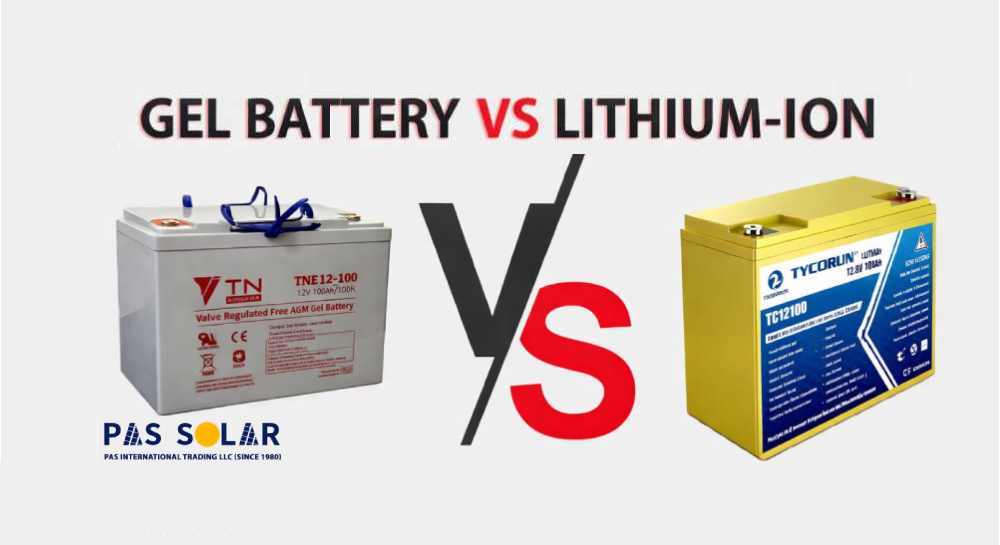

Choosing the battery for a commercial solar project is not related to technical parameters. In fact it is a financial decision and affects your cost structure. When comparing gel battery vs lithium for solar isn’t just about chemistry differences; it directly affects usable capacity, replacement cycles, system downtime, and long-term return on investment. the differences effect on performance, lifespan, and economics, not just battery chemistry
Selecting the wrong battery can increase operating costs for all distributors and factory managers who are running solar powered projects, so let’s look at how gel and lithium batteries perform in real projects. real-world performance in terms of lifecycle, and system reliability in 2025.
If you are going to choose a battery for your solar system, it’s so important to understand how each item works within a solar system. So let’s look at them.
Unlike traditional flooded lead-acid batteries, gel batteries are a type of sealed lead acid battery where sulfuric acid is combined with silica to create something like a gel substance.
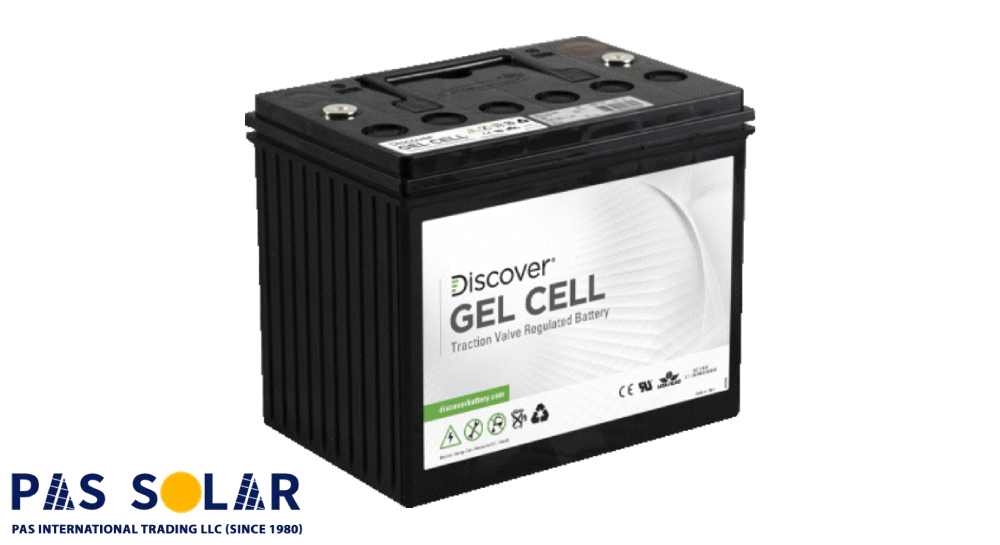
Advantages:
Disadvantages:
When we talk about lithium for solar system, we’re usually pointing to Lithium Iron Phosphate or LiFePO4 batteries. Many modern systems use integrated solutions such as Growatt battery models, which are designed with built-in Battery Management Systems (BMS) for improved safety and performance.
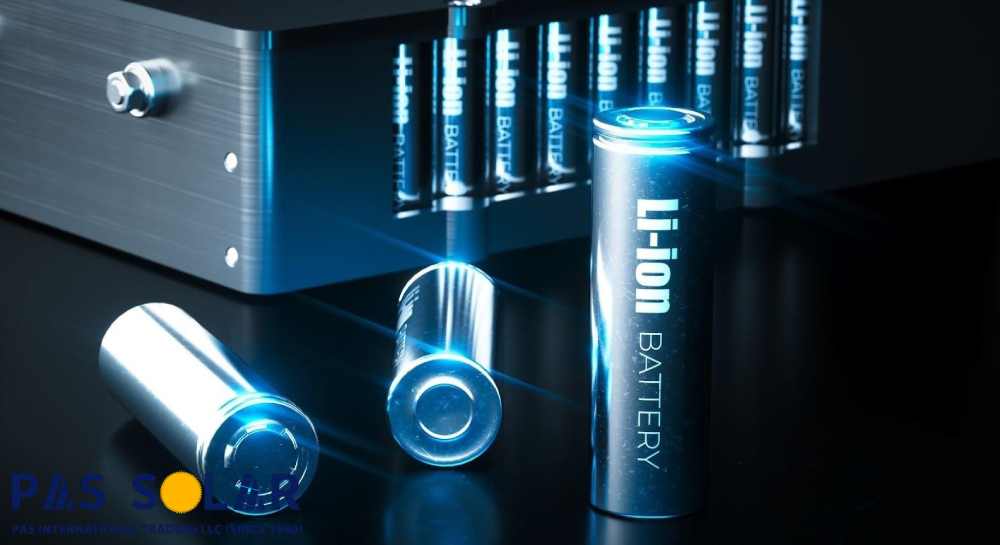
Advantages:
Disadvantages:
At a glance:
| Parameters | Gel Battery | Lithium Battery |
| Depth of Discharge
(recommended) |
50–60% | 80–100% |
| How long it lasts (in cycles) | 500–1500 cycles | 2000 to more than 5000 cycles |
| Common Lifespan | 3–8 years | 8 to more than 15 years |
| Charging and discharging efficiency | 75–85 percent | 90–95 percent |
| Charging Speed | Slow | Fast |
| Weight | Heavy | Light |
Now look at the business reality. If your solar system runs one full cycle per day, a gel battery will typically need replacement every 3 to 5 years, but a lithium battery, in the same condition, can often last 8 to 12 years or may be longer.
In practice, that means fewer battery replacements, less system downtime, lower labor costs, and fewer logistical headaches over time. So if you ignore replacement planning, you may face more interruptions and unexpected expenses. This is why, for serious solar projects, total lifecycle value matters more than the initial purchase price.
Storing energy is not just about capacity; it’s about efficiency. Efficiency shows how much of the solar energy you produce can be stored and used later
Lithium systems waste less energy during the cycle. Most of the electricity generated by the panels is protected and returned to the system when needed. Over months and years, that efficiency gap makes a noticeable financial difference.
The charging pattern also is important. Lithium batteries can get energy as soon as possible during peak hours. But gel batteries need a slower charging process, so they might not store all the energy produced before sunset.
Another practical difference is when the system isn’t active. Lithium batteries maintain their charge more effectively, while gel batteries gradually lose charge during this time. In projects that haven’t regular patterns for their usage, this means less backup power when it’s needed.
In regions with short daylight hours or seasonal production drops, the battery that keeps more energy available simply works better in practice
In regions like the Middle East, including markets such as the UAE, solar production is strong overall, but extreme heat may create disorder in energy storage systems. In these conditions, the battery that absorbs and keeps more energy delivers higher value.
Therefore, lithium batteries provide more reliable performance, better energy retention, and stronger long term value.
The ownership usually looks at the upfront price as the first metric, but sometimes they forget to consider total cost over the lifespan.
While gel batteries may appear cheaper at the beginning, this advantage disappears over time. Shorter lifespan and limited depth of discharge can make you replace it frequently. So it can gradually raise the overall project cost.
Although Lithium systems have higher initial investment, they typically reduce long term expenses. The extended cycle life, higher usable capacity, and lower maintenance requirements let you have stronger financial performance all around the project. So the lithium battery is logical to choose.
Installation
Maintenance
Safety
Everything depends on your goals, so look at the below:
| When Gel Batteries Are a Good Choice for You? | When is Lithium Batteries the Best One? |
|
|
For most industrial and commercial solar projects, lithium batteries have the best performance and last for years.
When evaluating gel battery vs lithium for solar, data highlights that solar lithium battery delivers better efficiency in performance, efficiency, longer life, and long term value, especially for daily industrial or commercial use items. Gel batteries can still be useful in certain situations and for different applications, specially where budget is limited or cycling is not frequent.
If you want your solar system to work reliably, hold more energy, save money over time, and need less maintenance, lithium batteries are the best option. Your solar battery has a direct effect on performance and ROI (Return on Investment). Therefore choosing the correct one can deliver reliable and efficient energy season after season. gel battery vs lithium for solar is not just a technical discussion, it’s a strategic selection that affects lifecycle costs, system resilience, and long-term energy independence.
Lithium batteries, especially LiFePO4 types, generally last much longer than gel batteries. While gel batteries typically provide 500–1,500 cycles and last around 3–8 years, lithium batteries can deliver 2,000–5,000+ cycles and often operate for 8–15 years or more under proper conditions.
Although lithium batteries have a higher initial investment, they usually offer better long-term value. Their longer lifespan, higher usable capacity, and reduced maintenance costs often result in lower total lifecycle costs and stronger return on investment (ROI) over time.
Gel batteries are typically recommended to operate at 50–60% depth of discharge to protect lifespan, meaning you cannot use their full capacity. Lithium batteries, however, can safely operate at 80–100% depth of discharge, allowing more usable energy per cycle without significantly reducing battery life.
Lithium batteries, particularly LiFePO4 types, generally perform more reliably in high-temperature environments compared to traditional gel batteries. They offer better energy retention, higher efficiency, and stronger long-term stability when properly managed with a Battery Management System (BMS).
1- Which battery lasts longer in solar systems: gel or lithium?
2- Is lithium battery worth the higher upfront cost for commercial solar projects?
3- How does depth of discharge affect gel and lithium battery performance?
4- Which battery performs better in hot climates like the Middle East?