When you decide to choose The Right Solar Inverter for your industrial solar projects, you’re making a technical and strategic decision. This can affect your solar system performance, reliability and long term profit over the time. The challenges for engineers and project managers in UAE, Iraq are more than installation. You need to find the right balance between cost and quality to make sure every bit of solar energy turns into useful power with minimum losses.
A mismatched or low efficiency inverter can reduce output, increase maintenance costs and shorten your system’s lifespan. That’s why understanding how to choose the right solar inverter for maximum output is important, whether you’re managing a factory, running an industrial site, or operating a large commercial facility.
In this guide, you will discover the key steps and practical factors to help you make a smart choice when selecting a solar inverter. from identifying your system’s needs and efficiency, to comparing different inverter types, balancing cost versus performance, and finally maximizing your project’s returns.
Choosing the right solar inverter is essential to get maximum power from your solar panel in Dubai.
| Category | Details | Key Points | Suitable For | Advantages | Disadvantages |
|---|---|---|---|---|---|
| Initial Decision Steps | – Evaluate system size and energy demand
– Match inverter to panel array – Decide system type (grid-tied, off-grid, hybrid) – Check environment & installation location – Verify warranty and service network |
Each step significantly affects system performance and ROI | Engineers, Project Managers, Industrial Facilities | Proper selection reduces costs and maximizes energy yield | Ignoring these steps can shorten system lifespan and increase maintenance costs |
| Efficiency Importance | High efficiency (95–98%) converts more DC to AC power | Even 3–4% efficiency difference can result in tens of thousands USD annually in large industrial systems | Hot regions like UAE, Iraq | Significant energy cost savings | Low efficiency wastes energy and increases operational costs |
| Inverter Types & Use Cases |
String Inverter: Multiple panels in series feed a central inverter Micro Inverter: Each panel has its own inverter Hybrid Inverter: Combines solar inverter with battery storage |
Choose based on shading, roof layout, and energy storage needs | Large flat roofs, Shaded roofs, Battery backup systems | String: Lower cost, easy maintenanceMicro: Panel-level optimizationHybrid: Ready for backup and storage | String: Sensitive to shadingMicro: Higher cost, more componentsHybrid: Higher complexity and cost |
| Cost vs. Performance | Compare price, real efficiency, warranty, after-sales service | Low cost doesn’t always mean better value | Industrial buyers, large-scale projects | Smart selection increases ROI | Wrong choice reduces long-term performance and increases replacement cost |
| Installation & Maintenance | Cool, shaded location; proper wiring; smart monitoring; regular service; adequate ventilation | Proper installation and maintenance can improve performance by up to 10% | All solar projects | Extended lifespan and stable performance | Poor installation or maintenance reduces efficiency and may damage the system |
| Inverter & Total System Cost | Consider inverter price as part of overall system cost (panels, wiring, mounting, installation) | Price alone is not enough; system compatibility and ROI matter | Industrial and commercial projects | Helps calculate accurate ROI and payback period | Wrong purchase may increase total project cost |
Choosing a solar inverter starts with evaluating the needs of your system:
By following these steps you can compare the performance and the cost of a solar inverter.
Efficiency is one of the most important factors to consider when choosing a solar inverter. An efficient solar inverter changes more of your panels’ DC power into usable AC power, minimizing energy loss and increasing your savings. Most modern solar inverters today reach efficiency above 95–98%
In real projects, even a small difference in inverter efficiency can mean tens of thousands of dollars annually for large industrial systems. For example:If your panels produce 200 kW and the inverter is 97% efficient instead of 93%, the difference over a year of full production can be significant.
In hot regions like the UAE, Iraq temperature and ventilation can affect performance. That’s why you should choose an inverter with high efficiency and good cooling to make sure it delivers consistent performance in real world conditions.
When you compare inverter technologies, 3 main types stand out:
Multiple panels are connected in series (“strings”) and feed into one central inverter.
Several solar panels are connected in series in order to form “strings” and collectively send power to a single central inverter.
Advantages: Cost effective and easier to maintain, making it the best choice for many large scale installations.
Disadvantages: If one panel is shaded or broken, it lowers the whole string’s power.
Each panel has its own inverter, so its power is controlled independently.
Advantages: Great for irregular roof layouts with shade or panels in different directions; lets you monitor how each panel works.
Disadvantages: Costs more at first and has more components to maintain.
They work as both a solar inverter and a battery system. You can store extra solar energy in batteries and use it later or when the power goes out.
Advantages: Perfect for places with unstable electricity or when you need backup power or use stored energy later.
Disadvantages: They are more complicated and cost is higher.
For more information on hybrid vs string inverters you can read our article: Hybrid Solar Inverters vs. String Inverters: Key Differences
As an industrial buyer who pays attention to return on investment and cost efficiency, you already know the rule. A higher cost doesn’t always mean better value. When it comes to solar inverters:
Industry guides focus on inverters rated above 90% efficiency and good service backing. So ,you should evaluate solar inverter price, projected performance rate, warranty, service availability and total cost of ownership rather than initial price alone.
When comparing models, it’s important to balance quality, features, and solar power inverter price to ensure the best return on investment.
Now look at the quick overview:
|
Inverter Type |
Efficiency | Typical Cost | Best For | Pros |
Cons |
|---|---|---|---|---|---|
|
String Inverter |
95-98% | moderate | Large flat roofs, industrial | Lower price, simple servicing |
Performance drops with shading |
|
Micro Inverter |
97-99% | high | Shaded roofs, panel-level control | Panel level optimization |
Higher cost, more units |
|
Hybrid Inverter |
96-98% | premium | Projects with battery or storage | Ready for future expansion |
Higher complexity, cost |
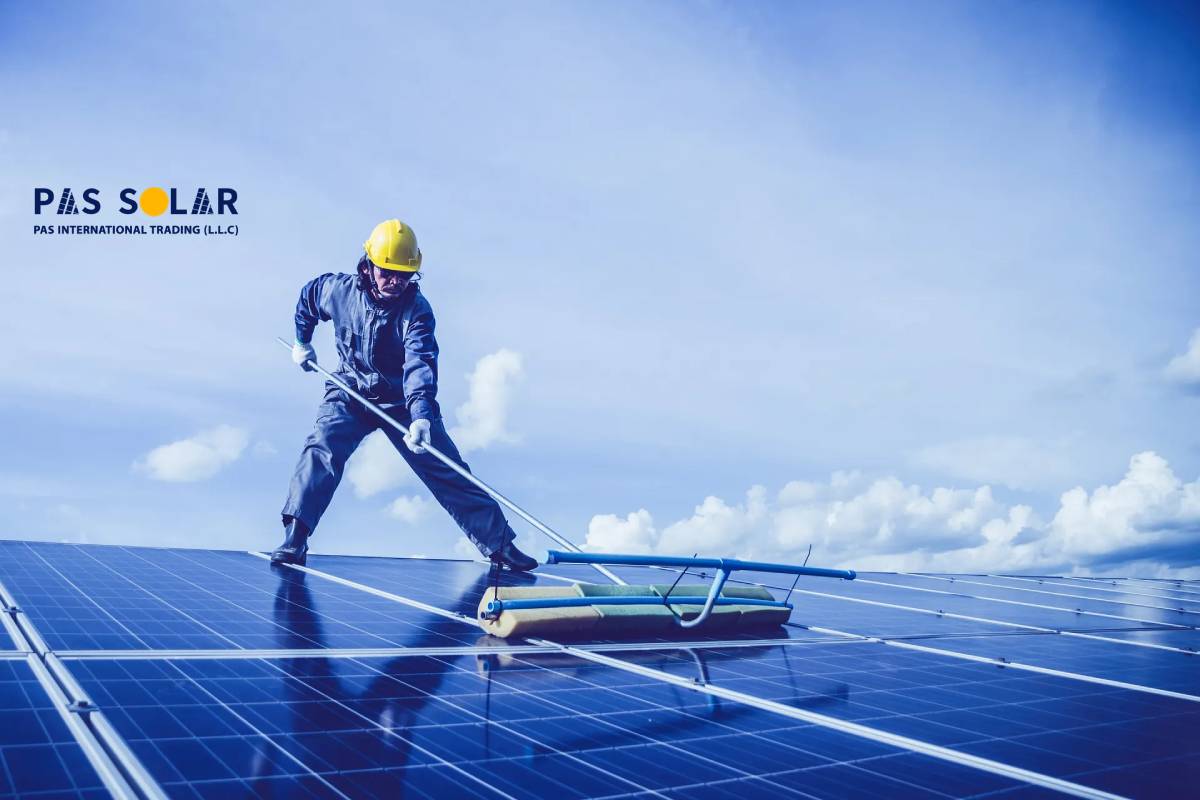
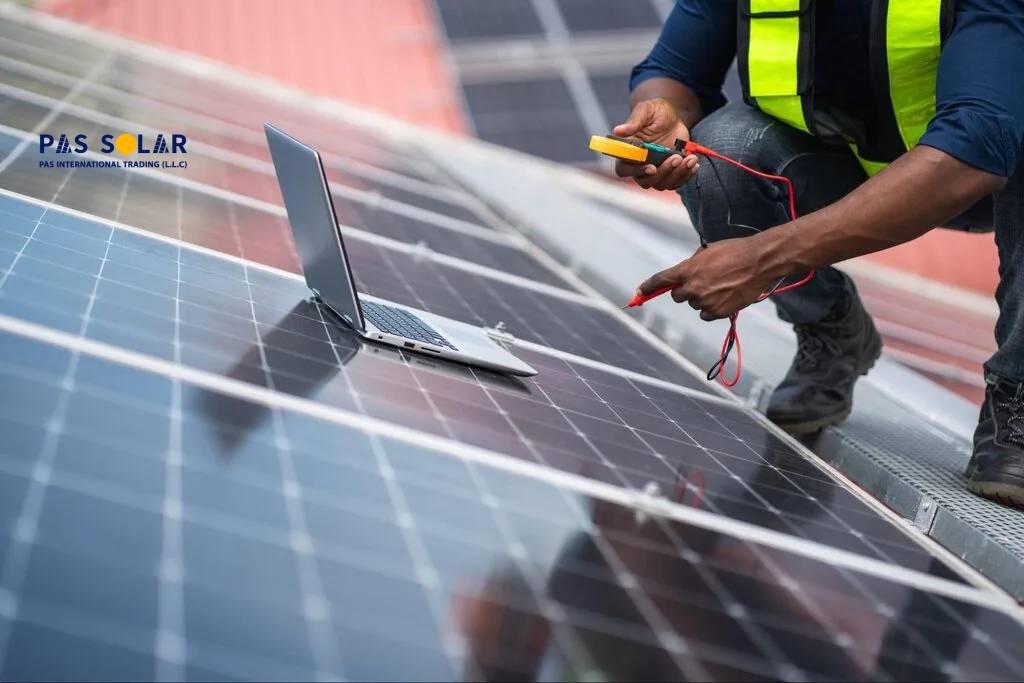
Even the best inverter won’t work well if it’s not installed or maintained properly. Here are some important tips:
By following these steps, your system stays productive,and your investment is protected.
In industrial purchasing, you usually request for solar inverter price lists, bulk discounts, and regional delivery options. When buying for factories, contractors, or distribution networks, make sure that the brand you have chosen includes transparent solar inverter price, delivery plans, warranty coverage, customs handling, and after sales service. A reliable supplier should also offer clear documentation, certification support, and clear communication throughout the procurement process.
When we focus on the inverter itself, it’s important to see this component in the full system context. The cost of the solar panel system includes panels, mounting, wiring, inverter(s), balance of system and installation. The “solar panel inverter cost” makes sense when you consider how much of your total project investment it shows and how it affects your overall payback period.
For large projects, if the inverter is too small or not properly matched, you may limit the solar panel array performance and reduce your overall return on investment.
Conversely, if you spend more on an inverter without matching panel or environment conditions, you reduce cost effectiveness. So, you should evaluate the “solar panel inverter price” based on your system’s size, expected performance of the overall system, local utility and export regulations as well as maintenance cost during the project lifetime.
In the competitive solar equipment market in the Middle East region, selecting the right solar inverter means more than just choosing the cheapest option. You need to think about the compatibility of the system, efficiency, long term performance, warranty and support, as well as reliability of the supply chain.
Your projects need equipment that performs reliably, lives up to its specifications, and enables quick deployment. That’s why working with a trusted supplier, publishing a clear solar inverters price list, offering after sales support and providing valid warranty is vital.
Whether you are in Iraq, UAE , our team at Pas Solar is ready to help you with authentic inverters, competitive pricing and global logistic capability. Take this guide to Choose the Right Solar Inverter for maximum reliability, reliability and profitability.
Working with a trusted Growatt inverter distributor ensures you get genuine products, reliable support, and advanced technology designed to convert every bit of solar energy into maximum power for your industrial or commercial project.