For project managers, solar engineers and investors all around the Middle East specially in UAE, Iraq, the solar inverter lifespan and replacement cost is an important question to every long term solar investment.
The solar inverter is the most important part of every solar power system, it converts the direct current (DC) produced by panels into alternating current (AC) that powers home and industrial systems. Although solar panels can work efficiently for more than two decades, inverters usually need refreshing every 10 to 15 years, meaning one or more replacements are expected throughout the lifespan of the project.
This guide looks at inverter lifespan, we cover how long inverters typically last, what affects their durability,the optimal replacement timing, costs, and tips for choosing a reliable manufacturer.
While most inverters last between 10 to 25 years, their durability depends on quality, maintenance, and pairing with components like a LITHIUM SOLAR BATTERY.
| Item Reviewed | Detailed and Practical Description |
|---|---|
| Types of Solar Inverters | String Inverter – Lifespan of 10–15 years, affordable price, but vulnerable to the weakest panel in the string.
Micro Inverter – Lifespan of 20–25 years, higher price, each panel works independently for better reliability. Hybrid Inverter – Lifespan of 12–20 years, combines the features of string and battery inverters. |
| Average Useful Lifespan | Between 10 and 25 years, depending on the type, brand, environmental conditions, and maintenance frequency. |
| Main Causes of Reduced Lifespan |
Excessive heat and high humidity Dust accumulation and poor ventilation Overload (exceeding capacity) Lack of regular maintenance and servicing |
| Ideal Time to Replace an Inverter | Performance drop of more than 10%
End of warranty period Frequent technical errors or system faults Discontinuation of spare parts production |
| Estimated Replacement Cost (Average) |
String Inverter: $500 – $1,500 Micro Inverter: $800 – $2,500 Hybrid Inverter: $1,200 – $3,000 (Installation and labor costs are calculated separately) |
| Factors Affecting Replacement Cost |
Type and capacity of the inverter Geographic location ( Dubai, Baghdad, etc.) Labor and installation fees Active or expired warranty coverage |
| Signs That Replacement Is Needed |
Reduced power output under normal sunlight Red error light on the control panel Unusual noises from the inverter Frequent shutdowns or overheating issues |
| Tips to Extend Inverter Lifespan |
Install in a cool, shaded, and well-ventilated area Perform maintenance every 3 months Clean air filters and input vents regularly Use proper grounding and surge protection devices |
|
Inverter Type |
Typical Lifespan | Warranty | Notes |
|
String Inverter |
10–15 years | 5–10 years |
The weakest panel in the string can affect it. |
|
Micro Inverter |
20–25 years | 15–25 years |
Every panel works independently and makes the system more reliable during the long time. |
| Hybrid Inverter | 12–20 years | 10–15 years |
Combines the characteristics of both string and battery inverters |
By understanding these factors, investors and project managers in UAE, Iraq can predict replacement and manage their budgets.
The lifespan of a solar inverter can be different depending on the type of solar inverter, its quality, and consistent maintenance. The solar inverter lifespan expectancy usually is between 10 and 25 years, shorter than the panels themselves.
Although string inverters work for 10 to 15 years, micro inverters can operate up to 25 years in ideal conditions. The most important reason solar inverters have a shorter lifespan than solar panels is their continuous working process that converts DC to AC, which produces heat and stresses internal components.
Regular monitoring such as cleaning and checking the performance of the system can maximize the life of the solar inverter. Understanding this expected lifespan is really important for solar project managers and engineers and protecting unexpected costly pause.
Several factors determine how long a solar inverter will remain:
You’ll know your inverter needs replacement when you see:
Reduced performance isn’t always due to the inverter failure, sometimes it can happen because of damaged wiring and cable, dust on panels, or grid voltage problems. Before assuming that the inverter has completely failed, the system should be checked by a qualified technician, preferably from a trusted provider like Pas Solar, to ensure accurate diagnosis and reliable support.
While high-end systems paired with solar panels can achieve excellent durability and long-term performance, regular cleaning and proper installation are key to extending your inverter’s lifespan and ensuring consistent energy efficiency.

You should replace your solar inverter when:
A professional solar technician will:
The entire process usually takes between 1-2 hours. Although replacement is technically possible for you, electrical risks and warranty issues may occur for non professionals.
Read more: Major Solar Inverter Problems and How to Fix Them
In order to maximize solar inverter lifespan, follow these practices:
These actions can increase the operational life of your inverter and help prevent sudden faults.
Several factors determine how much you’ll pay to replace your inverter:
Before planning a replacement, it’s smart to check the solar inverters price list to compare brands, costs, and warranties for the best long-term value.
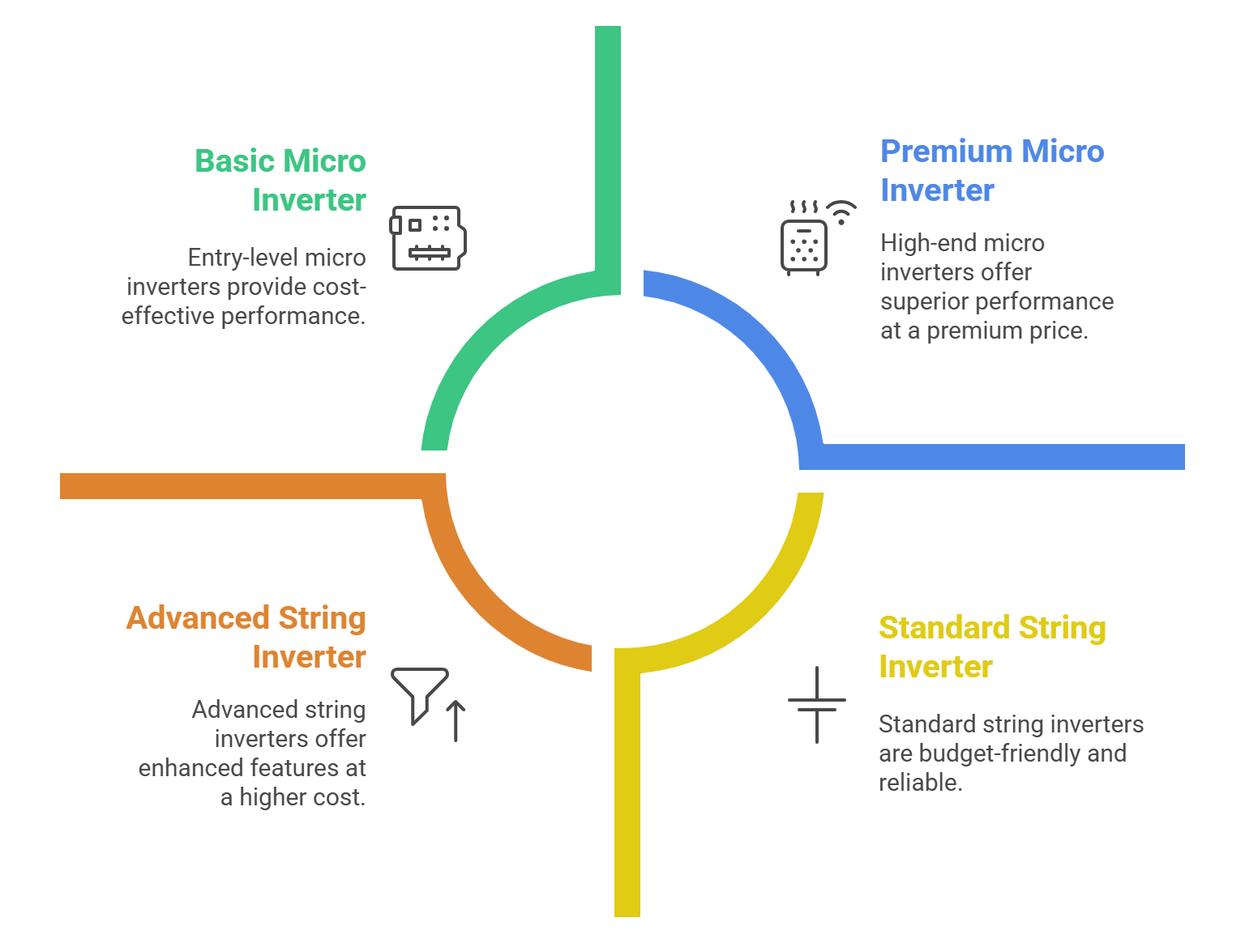
The cost of replacing or buying a solar inverter particularly varies depending on type, capacity, and brand. Here’s we will talk about common pricing terms:
By referencing solar inverters for sale, project managers can compare options, assess long term value, and match purchases process with project budgets.
Understanding the solar inverter lifespan is essential for project managers, engineers, and investors all around the world, especially middle east areas. By choosing high quality inverters, having regular maintenance, checking performance, and protecting systems from environmental issues, they can significantly increase the life cycle of their inverters.
While solar panels usually work 25 years, inverters generally work 10 to 15 years. A micro inverter has a longer lifespan and they can reach 25 years.
Choosing a reliable solar inverter supplier like Pas Solar, checking warranty and having a schedule for on time replacements can decrease unexpected downtime and optimal return on investment. Following these recommendations not only affect system reliability but also helps retain energy efficiency throughout the solar project’s life, delivering both economic and environmental benefits.