No matter whether you need solar energy systems for your home, business, or large projects, this solution has become one of the most reliable and affordable options available today. But even the most durable solar panels need regular monitoring to make sure they are working at peak performance. For installers, distributors, and solar contractors especially in some areas with harsh climates, understanding if a solar panel working properly is really important not only for maximizing return on investment but also for protecting the system against permanent damage.
Because solar energy production depends on the condition of the environment, shading status, panel cleanliness, and internal component health, identifying underperformance early prevents extra costs, wasted time, and customer dissatisfaction. Regular checks are especially important for a solar panel in Dubai, where harsh sunlight and dust can affect performance.
In this blog, we explain exactly what a solar panel needs to work properly, how to check and test performance, how to detect damaged solar panels, and what to do when solar panels are not working well.
| What to Check | Normal Condition | Warning Signs (Needs Attention) | What It Means | Recommended Action |
|---|---|---|---|---|
| Inverter Status | Green/solid light | Red/orange light, blinking, error codes | System fault or underperformance | Check manual, restart inverter, call technician |
| Energy Output | Matches weather & past performance | Sudden drops without reason | Shading, dirt, wiring fault, failing panel | Check shading, clean panels, test strings |
| Panel Surface | Clean, no cracks, no discoloration | Dust, sand, bird droppings, cracks, burn marks | Reduced efficiency or damaged cells | Clean panels, inspect cracks, avoid pressure |
| Wiring & Connections | Tight, clean, corrosion-free | Loose connectors, rust, moisture | Voltage drop, inverter faults | Tighten, replace connectors, reseal |
| Temperature Across Panel | Even heat distribution | Hotspots or overheated sections | Internal damage, cell failure, bad soldering | Thermal inspection, replace faulty panel |
| Panel Angle & Orientation | Correct tilt based on location | Wrong angle, misalignment | Reduced sunlight absorption | Adjust tilt based on latitude |
| Shading Condition | No shading throughout the day | New objects blocking sun (trees, buildings) | Major power loss (30–80%) | Remove shading or reposition panels |
| Monitoring App Data | Smooth daily production curve | Dips, flat line, irregular drops | Performance issue or connectivity fault | Check app/device connection, inspect system |
| Environmental Debris | Low dust & clear surroundings | Heavy dust, construction residue | Blocked sunlight, overheating | Increase cleaning frequency |
| Mounting Structure | Stable, no vibration | Loose bolts, movement, wind shaking | Long-term structural risk | Tighten mounts, reinforce brackets |
Most people consider that the solar panels just need sunlight, but we should say that they need the right conditions to keep efficiency. The following key factors determine whether a panel can operate properly:
Solar panels need direct sunlight. If the tilt angle or orientation is incorrect, energy output drops dramatically and even a tiny mistake in tilt angle or orientation can significantly reduce their energy production.
The ideal tilt angle always depends on the latitude of location, which means installations across Iraq, the UAE, and need customized tilt to achieve maximum efficiency. In some cases, adjusting solar panels based on seasonal changes can improve annual energy output, which is valuable for large industrial projects that check their systems regularly. Even small amounts of shading can reduce power efficiency by 30% to 80%, highlighting the importance of careful panel placement and regular inspections essential for stable energy production.
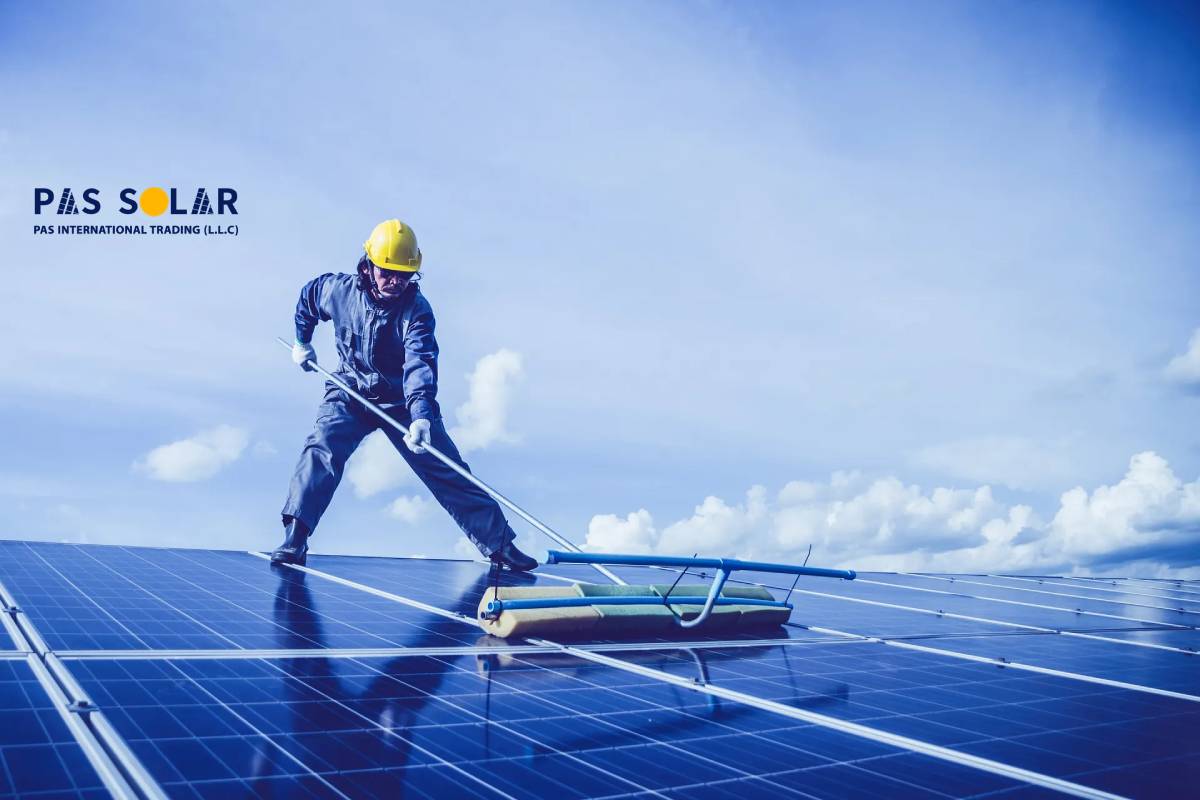
Solar cells can lose their efficiency when covered by dirt, debris, sand, snow, bird droppings, and pollution. For installations in deserts or busy urban areas, cleaning is required more frequently to keep efficiency.
Panels installed on unstable mounts, with incorrect alignment, or exposed to continuous wind vibrations may experience reduced lifespan and wiring problems that affect overall system performance
Loose connectors, improper cables, or moisture infiltration make the voltage drops and inverter warnings.
solar panel working properly when they are kept cool. Overheating, especially on rooftops with poor airflow, causes reduced energy output and may highlight hidden problems that need attention.
Before moving to technical tests, several simple checks can quickly indicate whether your solar panels are functioning properly or not.
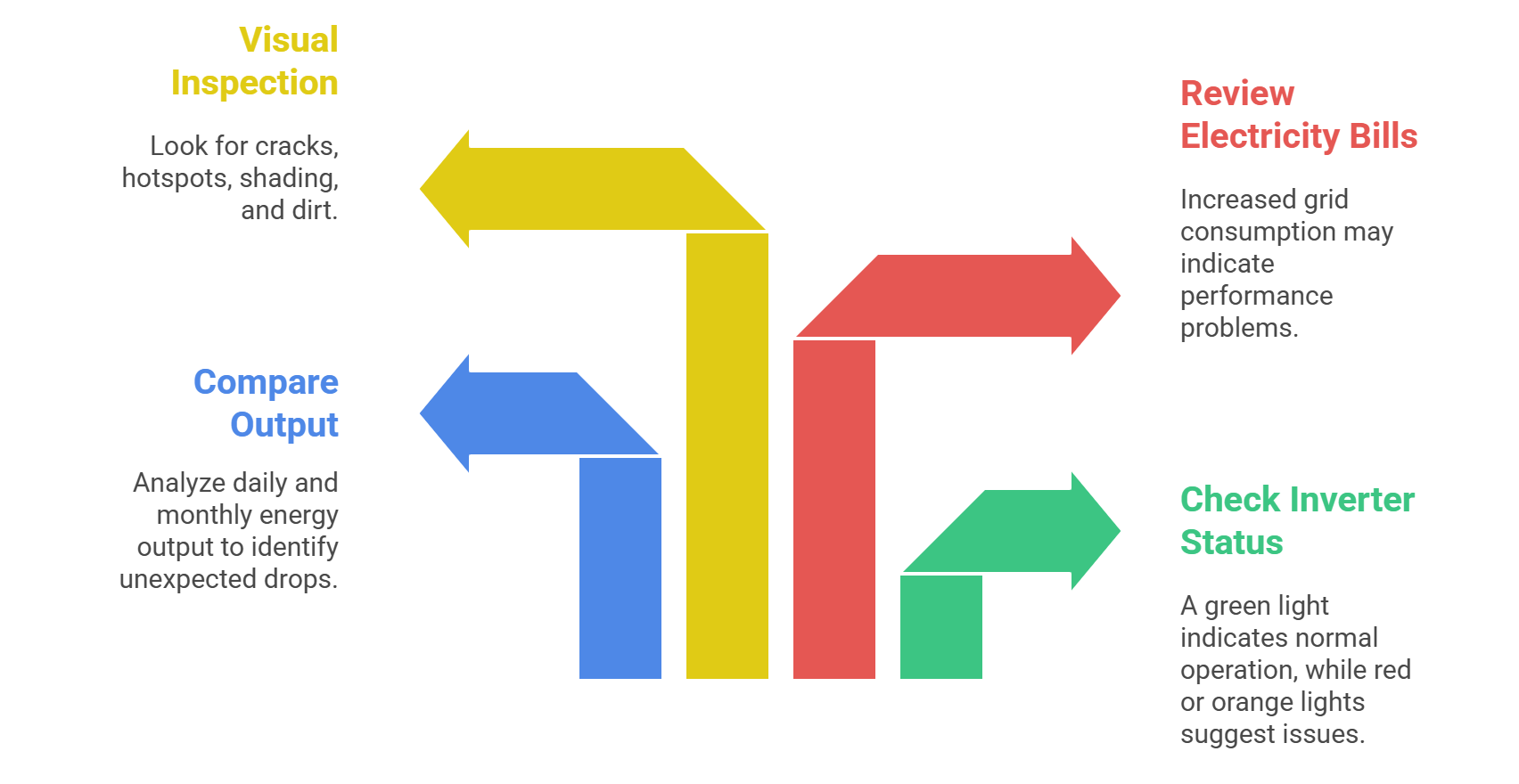
The inverter is one of the most important parts of your solar system. A green light on your inverter usually shows that the system is working normally. In contrast, red or orange lights or even any error codes can indicate the signal potential issues that need your attention. Checking monitoring apps let you notice energy output in real time and identify any performance issues quickly.
Checking tools allow you to control the performance of your solar system in detail. You can check daily energy output, analyze monthly historical charts, and evaluate peak sunlight hours to understand how your panels are working over the time. Unexpected drops without a change in weather should be considered as a warning show problem that needs immediate attention
If your solar system is producing less energy than expected, you will likely see an increase in electricity consumption from the grid, directly impacting your electricity costs or higher bills. For many customers, a sudden increase in energy costs is often the first clear sign that solar panels may not be performing at their best, recommending the system needs more evaluation and servicing
During the visual inspection, carefully look for cracks in the glass, hotspots or burn marks, loose junction boxes, new shading from trees or construction, and any dirt that can block sunlight absorption. Even these minor issues can have effective drops in energy production, so regular checking is essential to keep your system efficient.
If quick checks show any problems, technical testing can help you to evaluate the condition of panels:
By this test you realize how the solar panel’s current (I) and voltage (V) change under different conditions. So in this way you can check a panel’s health. In addition to measuring voltage and current level, maximum power, shading effects, and cell performance can be checked as well. Any data that doesn’t match factory specifications can show a problem.
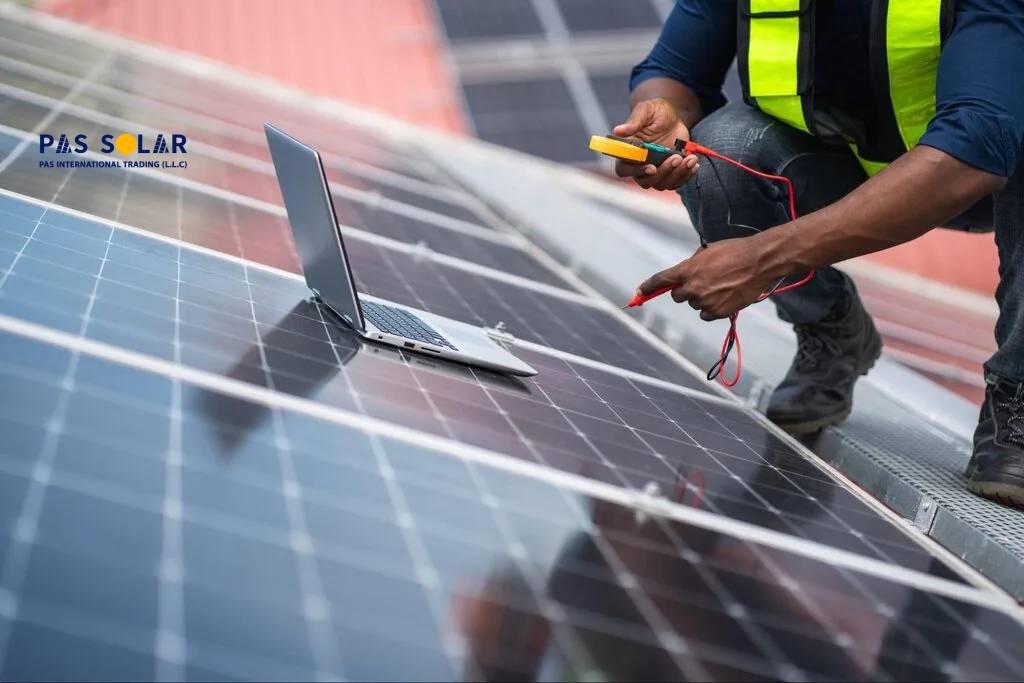
You can use a simple multimeter to measure the Voc (Open circuit voltage) and Isc (Short circuit current) of a solar panel. If the measurements are lower than expected, the panel may be damaged.
An infrared camera allows experts to identify hotspots, broken cells, Internal wiring problems, and connectors that are overheating. Hotspots, in particular, are one of the most common signs of serious panel damage.
By testing the voltage and current on each string, you can identify faulty modules, shading problems, and any connector issues. Using this method helps you recognize specific problems within the system and allows for targeted maintenance and ensures maximum system performance.
For high-quality systems like a Trina Solar panel, early detection of any damage ensures maximum efficiency and prevents long-term issues.
Even the best panels with high quality lose efficiency over time. But solar panel working properly If you consider these signs and symptoms:
The most common signs of damage include visible cracks or broken glass, which can be caused by storms, shock or hit damage, or factory defects. These cracks allow water and moisture to enter the panel, speeds up panel aging and reduces energy generation.
If parts of the panel experience overheating, they form burn signs on the panel surface.
Common causes include small cracks inside the panel, improper solder connections, partial shading and bypass diode failure.
Exposure to UV radiation or moisture can cause the front encapsulant layer of the solar panel to turn yellow and reduce the amount of light that reaches the solar cells. As light transmission decreases, the panel’s overall power output drops as well. Therefore routine inspections are important to avoid gradual reductions in system performance.
Wiring with loosened connections or corrosion for connectors reduces system voltage and encounters the inverter with faults.
If one string doesn’t work properly, it often shows that a single panel within that string is failing. The problem may be caused by dirt accumulation, surface cracks, or internal part failure, all of them can significantly reduce overall system efficiency.
|
What to Check |
Normal Behaviour |
Warning Signs |
|
Inverter lights |
Green / solid | Red, orange, blinking, error codes |
|
Energy output |
Consistent with weather data |
Sudden unexplained drops |
|
Panel surface |
Clean, no cracks |
Dirt, snow, cracks, burn marks |
|
Wiring |
Tight and intact |
Loose cables, corrosion |
|
Temperature |
Even across panel |
Hotspots (overheating sections) |
|
Monitoring app |
Regular daily curve |
Broken curves, dips, no output |
Pairing the system with a reliable Lithium Solar Battery ensures consistent storage and helps detect underperformance early.
When you realize that the solar panel not working well, follow these steps:
Step 1: Clean the panels properly. Remove dirt, dust, or bird droppings just by soft brushes and clean water.
Step 2: Evaluate the new shading that can be a growing tree or construction near your site.
Step 3: check all cables and connectors because loose connections are one of the most common and easily overlooked causes of system failure.
Step 4: Restart the inverter, as many temporary issues can be resolved by simply rebooting the system.
Step 5: Test each panel Individually. Using a multimeter or IV curve test can find failing panels.
Step 6: Contact a reliable supplier or technician. If you can not solve the issue, consult experts. A trusted supplier like Pas Solar helps you to access high quality panels, inverters, and professional diagnostics.
Although most of the time, solar panel working properly and it is a durable system, it still needs regular monitoring and maintenance. If you want to understand what a solar panel needs to work effectively, you should learn how to do quick checks and technical tests, and by recognizing early signs of damage, you can ensure your system stays efficient for long years.
No matter if you are a homeowner, installer, or contractor, keeping your system in the best condition protects your investment and maximizes the energy savings. If you detect any unusual changes in performance, immediate inspection and qualified technical assistance prevent bigger issues.
Pas Solar is your reliable partner for reliable diagnostics, quality products, and ongoing support. Call us now.