
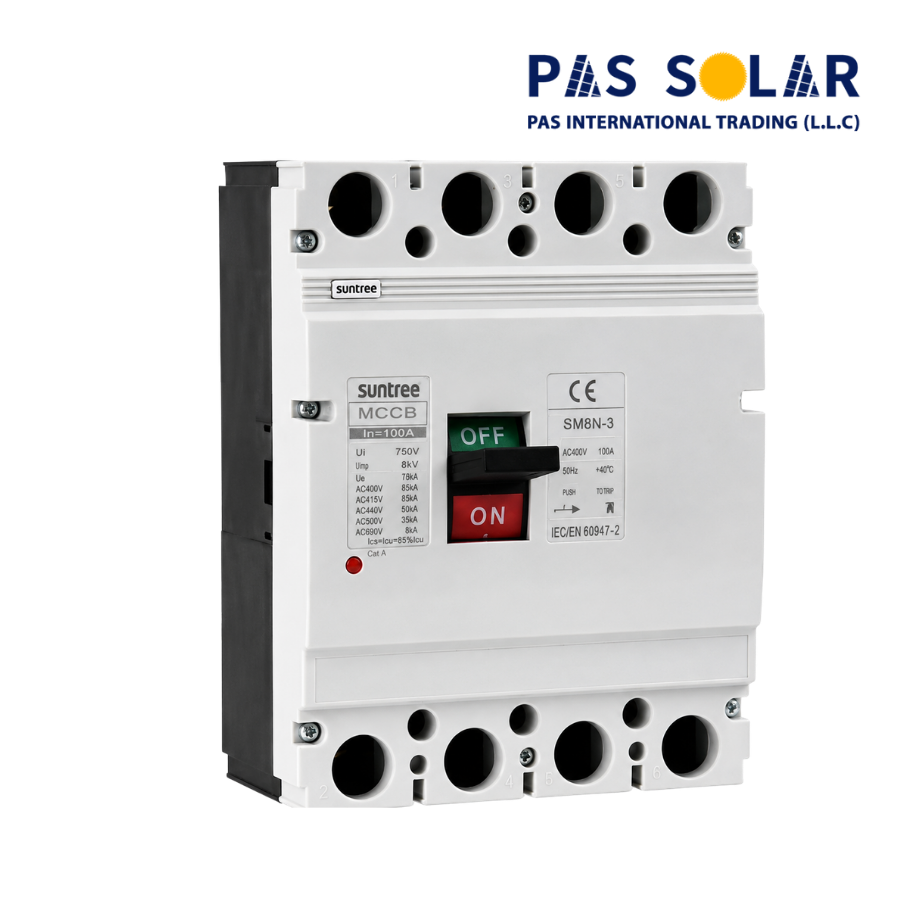
Modern electrical and solar power systems need more than just reliable power generation. They also need the right protection, isolation, surge protection, switching, and enclosure solutions to keep equipment operating safely.
That is where SUNTREE Electrical Products come in.
From AC and DC circuit breakers to PV fuses, surge protective devices, DC isolators, automatic transfer switches, and waterproof distribution boxes, SUNTREE offers a wide range of electrical components designed for residential, commercial, industrial, and solar applications.
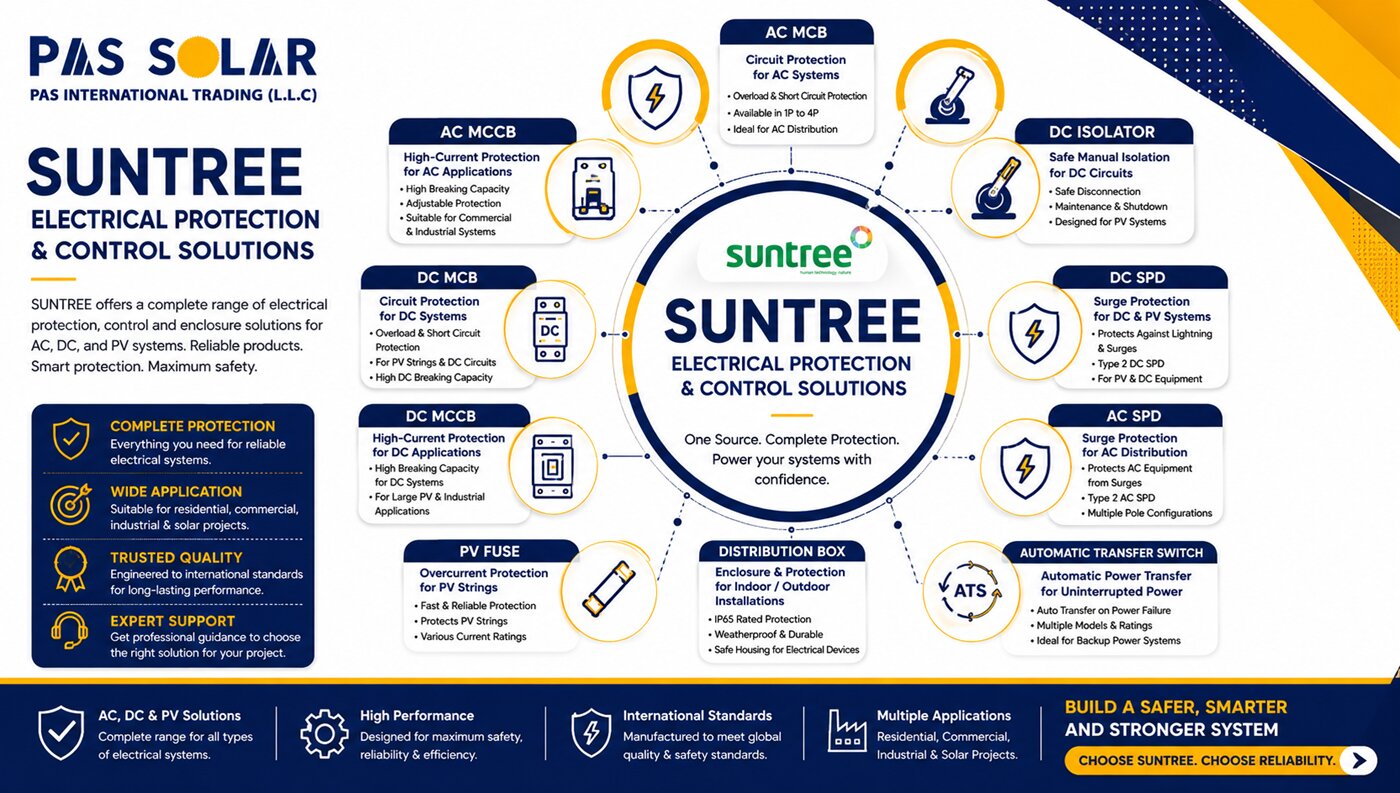
The important thing is that these products do not all perform the same function.
A DC fuse protects against overcurrent.
A DC isolator provides safe circuit isolation.
A DC SPD protects against transient overvoltage.
An MCB or MCCB provides circuit protection and switching.
An ATS automatically transfers the load between power sources.
And an electrical enclosure protects the equipment itself from environmental conditions.
Choosing the right product therefore starts with understanding what your electrical system actually needs.
The SUNTREE product range covers several important areas of electrical protection and power management.
| Product Category | Main Function | Typical Application | System Type |
|---|---|---|---|
| DC MCB | Overload and short-circuit protection | PV strings, DC distribution | DC |
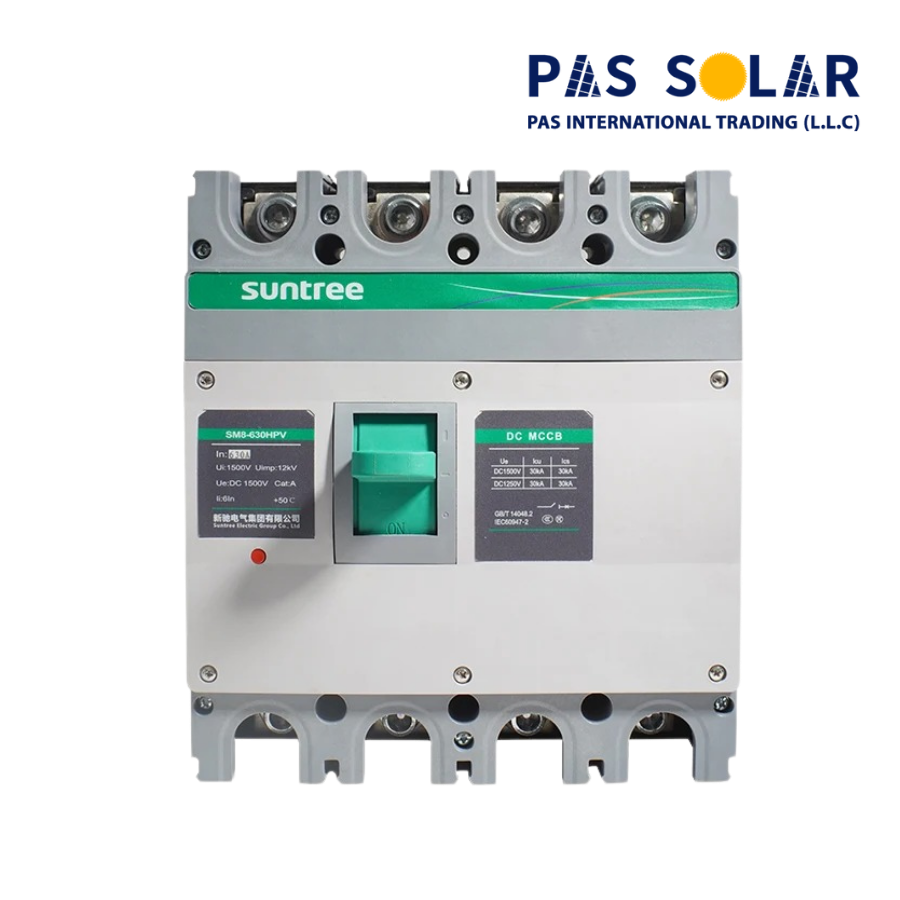
| DC MCCB | High-current circuit protection | Solar farms, industrial DC systems | DC |
| AC MCB | Overload and short-circuit protection | Homes, buildings, distribution boards | AC |
| AC MCCB | High-current AC protection | Industrial and commercial distribution | AC |
| PV DC Fuse | Overcurrent protection | PV strings and solar arrays | DC |
| DC Isolator | Manual circuit isolation | Solar PV maintenance and shutdown | DC |
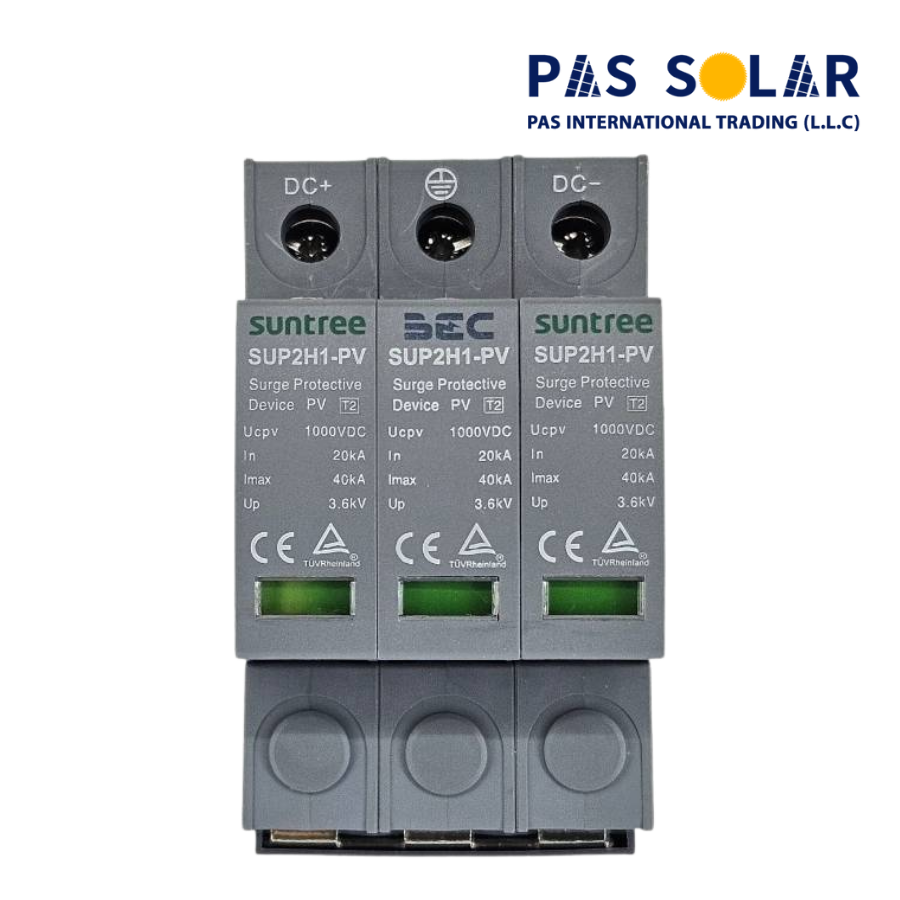
| DC SPD | Surge and transient overvoltage protection | PV systems and DC equipment | DC |
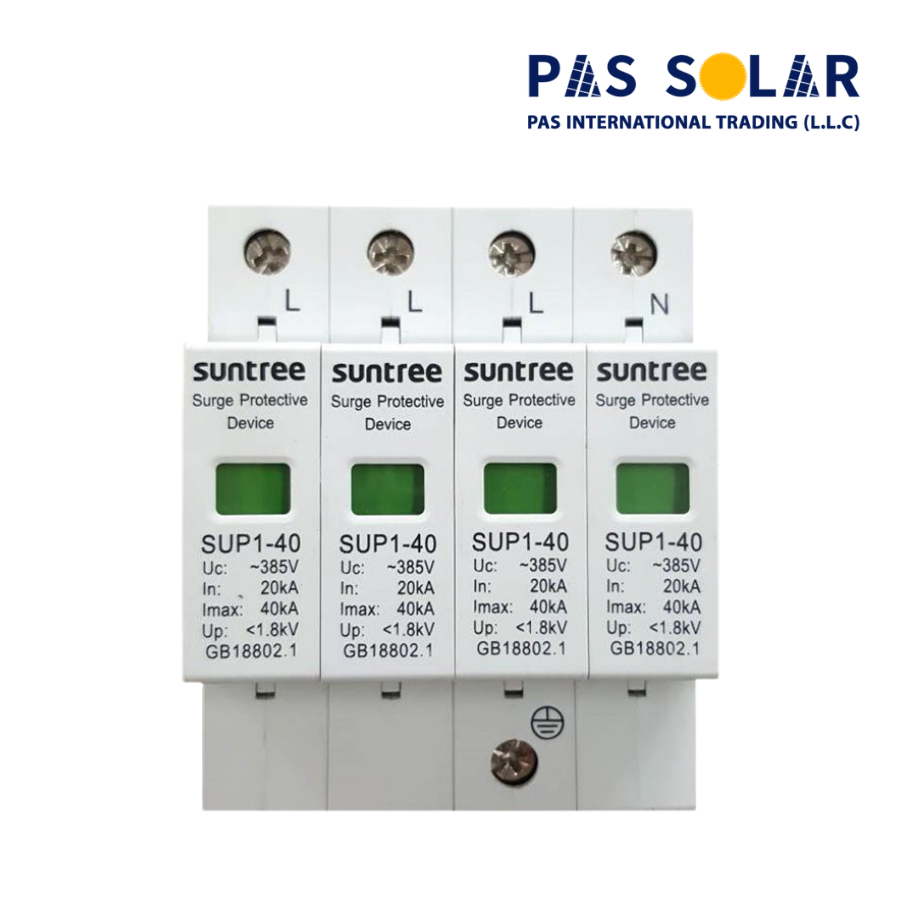
| AC SPD | Surge protection | AC distribution and electrical equipment | AC |
| Automatic Transfer Switch | Automatic source transfer | Backup and emergency power | AC |
| Distribution Box | Equipment enclosure and protection | Indoor/outdoor electrical installations | AC/DC |
The main advantage of this product range is that different protection and control functions can be combined into a complete electrical system rather than relying on a single protective device.
Electrical protection devices are selected according to voltage, current, fault level, system type, installation environment, and the function required from the device.
Using the wrong product can result in inadequate protection or incorrect circuit interruption.
| Selection Factor | Why It Matters |
| AC or DC System | AC and DC circuits require different interruption technologies |
| Rated Voltage | The device must be suitable for the system operating voltage |
| Rated Current | Determines the normal current the device can carry |
| Breaking Capacity | Determines the fault current the breaker can safely interrupt |
| Surge Protection Requirement | Determines whether an SPD should be installed |
| Isolation Requirement | Determines whether a dedicated isolator is required |
| Environmental Conditions | Outdoor systems may require suitable IP-rated enclosures |
| Automatic Source Transfer | Critical loads may require an ATS |
This is particularly important in photovoltaic systems, where DC voltage can remain present even when the AC side of the installation has been disconnected.
One of the easiest ways to choose the right SUNTREE product is to start with the problem you need to solve.
| If You Need To… | Recommended Product | Why |
| Protect a PV circuit from overcurrent | PV DC Fuse | Interrupts excessive current in solar circuits |
| Protect a DC circuit from overload and short circuit | DC MCB | Provides automatic DC circuit protection |
| Protect a high-current DC system | DC MCCB | Designed for larger DC currents and higher fault levels |
| Disconnect a PV circuit manually | DC Isolator | Provides dedicated DC isolation |
| Protect against lightning-induced surges | DC SPD | Diverts transient surge energy |
| Protect an AC distribution circuit | AC MCB | Provides overload and short-circuit protection |
| Protect a high-current AC distribution system | AC MCCB | Designed for larger AC loads |
| Protect AC equipment against surges | AC SPD | Limits transient overvoltage |
| Automatically switch between two power sources | ATS | Transfers the load between normal and standby sources |
| Protect electrical equipment outdoors | Distribution Box | Provides mechanical and environmental protection |
This comparison is particularly useful when designing solar PV systems because several of these devices may be required together.
Circuit breakers are among the most important components in an electrical protection system.
SUNTREE offers both MCB and MCCB solutions, with dedicated versions for AC and DC applications.
The main difference is not simply their physical size. MCCBs are generally intended for higher-current applications and provide greater interrupting capability and configuration flexibility.
| Feature | MCB | MCCB |
| Typical Application | Residential and light commercial | Commercial and industrial |
| Current Range | Lower current circuits | Higher current circuits |
| Physical Size | Compact | Larger |
| Breaking Capacity | Generally lower | Generally higher |
| Installation | Often DIN rail | Fixed/panel mounting depending on model |
| Typical Use | Branch circuits | Main feeders and high-current distribution |
| Adjustment Options | Usually limited | More configuration options on some models |
| Best For | Small and medium circuits | High-load electrical systems |
It is important to distinguish between AC and DC circuit breakers.
An AC breaker should not automatically be considered suitable for a DC circuit. DC interruption is more difficult because DC current does not naturally pass through zero in the same way AC current does.
| Product | System | Typical Current Range | Main Purpose |
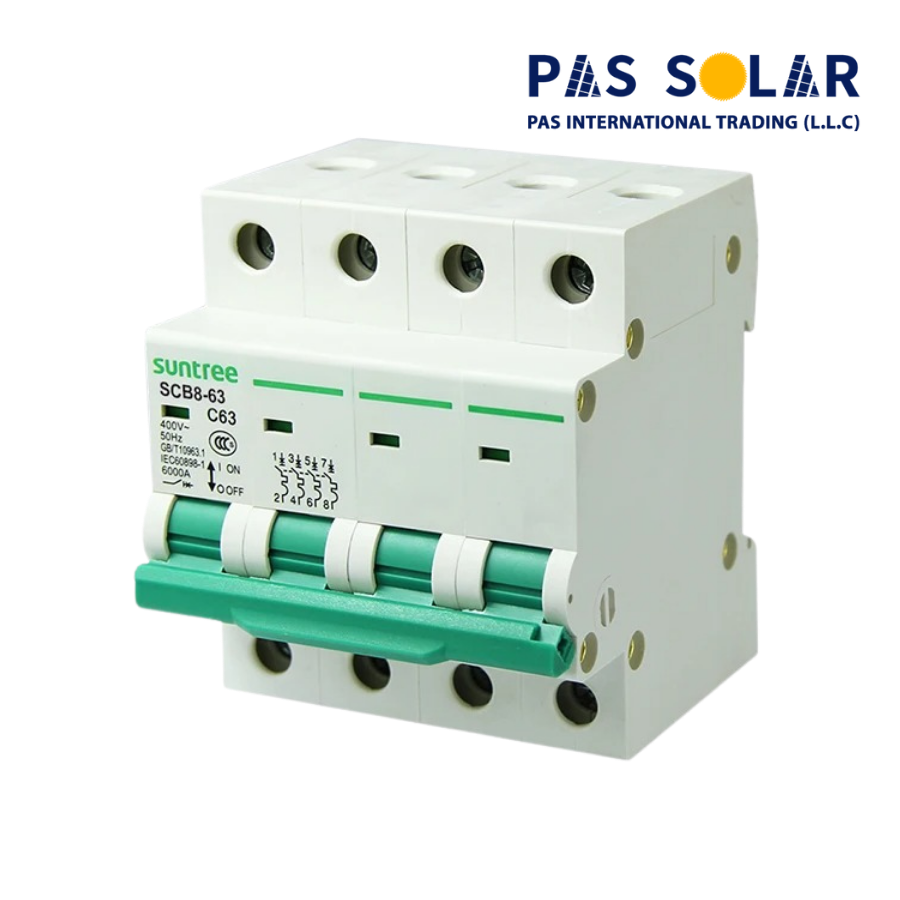
| SCB8-63 | AC | 6A–63A | AC branch circuit protection |
| SM8 | AC | 10A–800A | High-current AC protection |
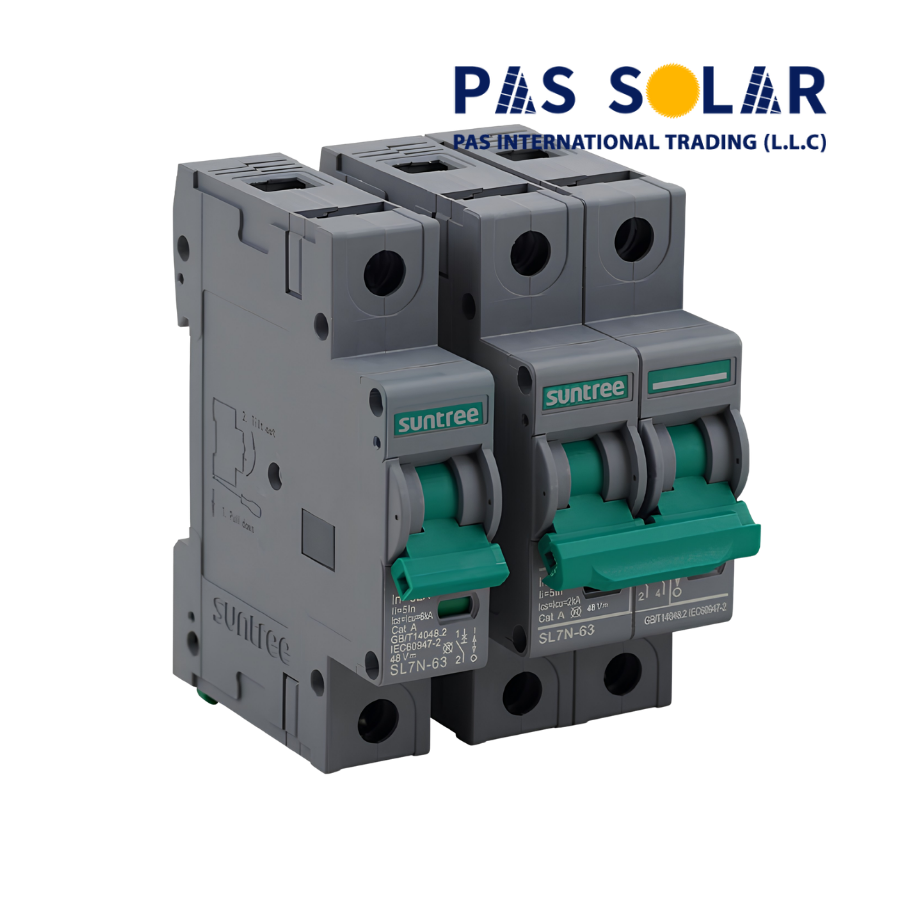
| SL7N-63 | DC | 6A–63A | DC/PV circuit protection |
| SM8 HPV | DC | 100A–630A | High-current PV/DC protection |
The SCB8-63 is an AC MCB with 1P–4P configurations and a 6kA breaking capacity, while the SM8 is an AC MCCB family designed for significantly higher current applications.
For solar DC applications, dedicated DC products such as the SL7N-63 and SM8 HPV should be selected according to the system voltage and current.
Solar PV systems have several specific protection requirements because the system operates with DC voltage.
SUNTREE’s DC protection range includes PV fuses, DC circuit breakers, DC MCCBs, DC isolators, and DC surge protective devices.
These products perform different jobs and are often used together.
| Product | Primary Function | Automatic Protection | Manual Isolation | Best Application |
| PV Fuse | Overcurrent protection | Yes | No | PV strings |
| DC MCB | Overload + short circuit | Yes | Yes | Small/medium DC circuits |
| DC MCCB | High-current protection | Yes | Yes | Large PV/DC systems |
| DC Isolator | Circuit isolation | No | Yes | PV maintenance/shutdown |
This means these products are not direct substitutes for each other.
For example, a DC isolator is primarily used to disconnect a circuit safely, while a DC MCB is designed to automatically interrupt the circuit during overload or short-circuit conditions.
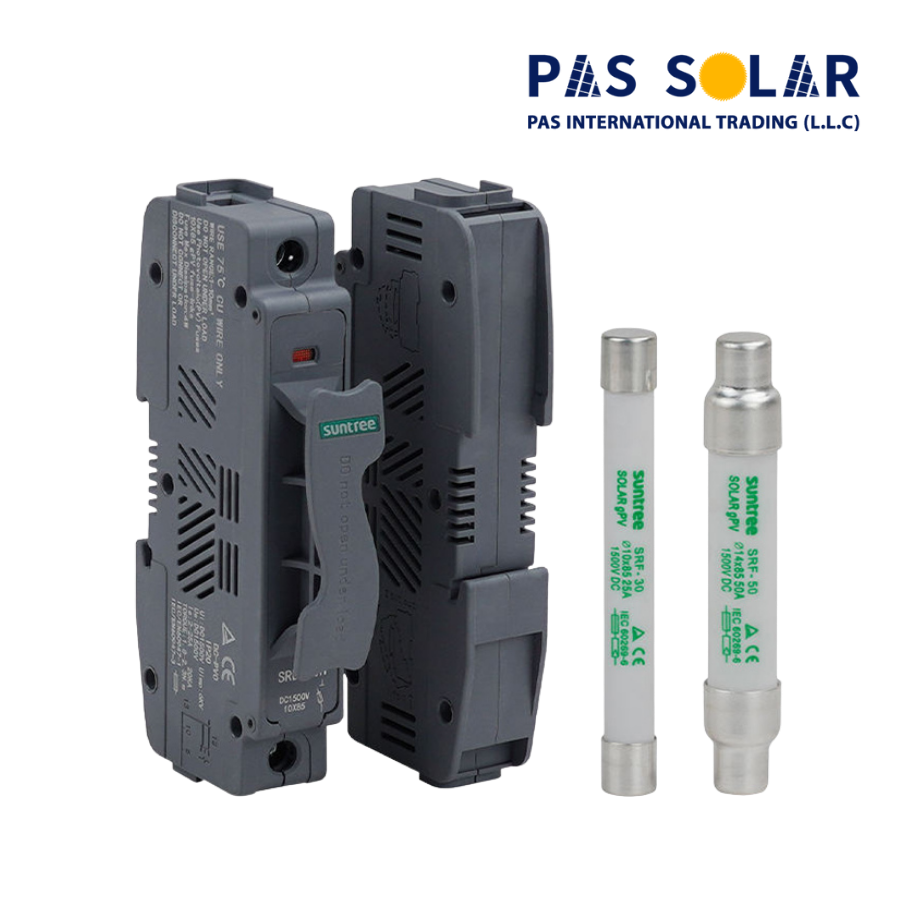
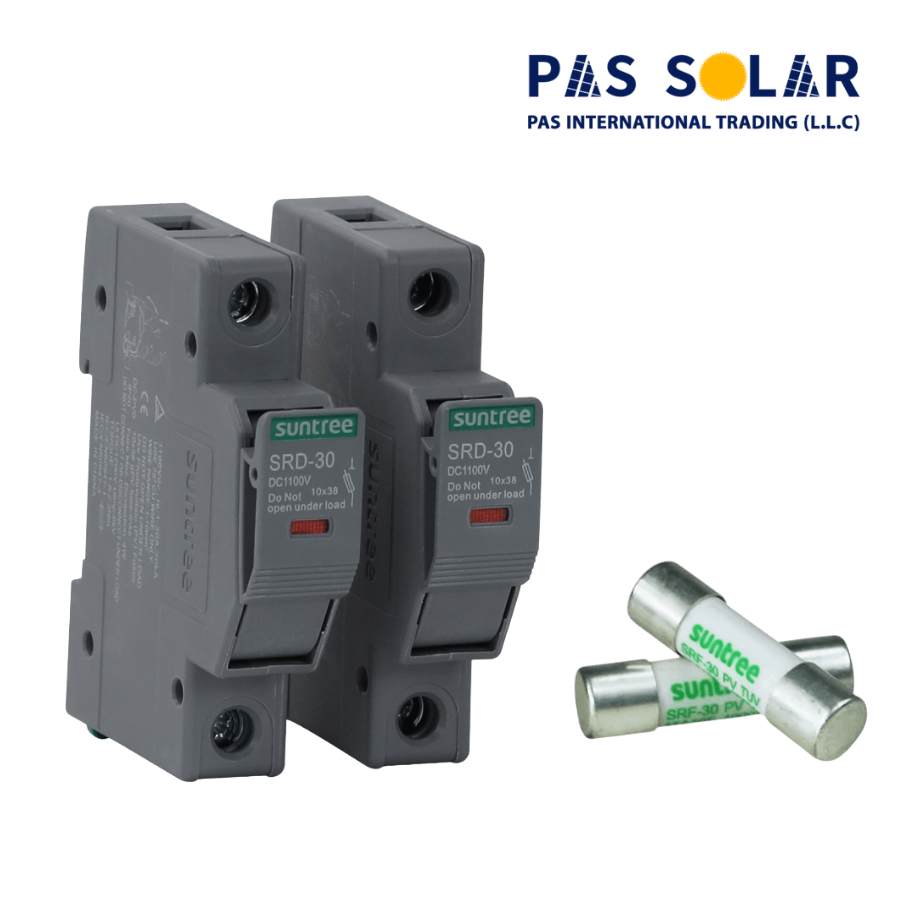
SUNTREE offers dedicated PV DC fuse solutions such as the SRD-30 and SRD-50H series.
The SRD-50H is designed for high-voltage PV applications and can be used as part of solar string and DC protection systems.
| Feature | PV DC Fuse |
| Main Function | Overcurrent protection |
| System | Solar PV / DC |
| Installation | Depends on fuse holder/system |
| Automatic Fault Interruption | Yes |
| Manual Isolation | Not its primary function |
| Typical Location | PV string / combiner protection |
| Best For | Overcurrent and fault protection |
A fuse is particularly useful where individual PV strings need dedicated overcurrent protection.
A DC isolator has a different purpose from a fuse or circuit breaker.
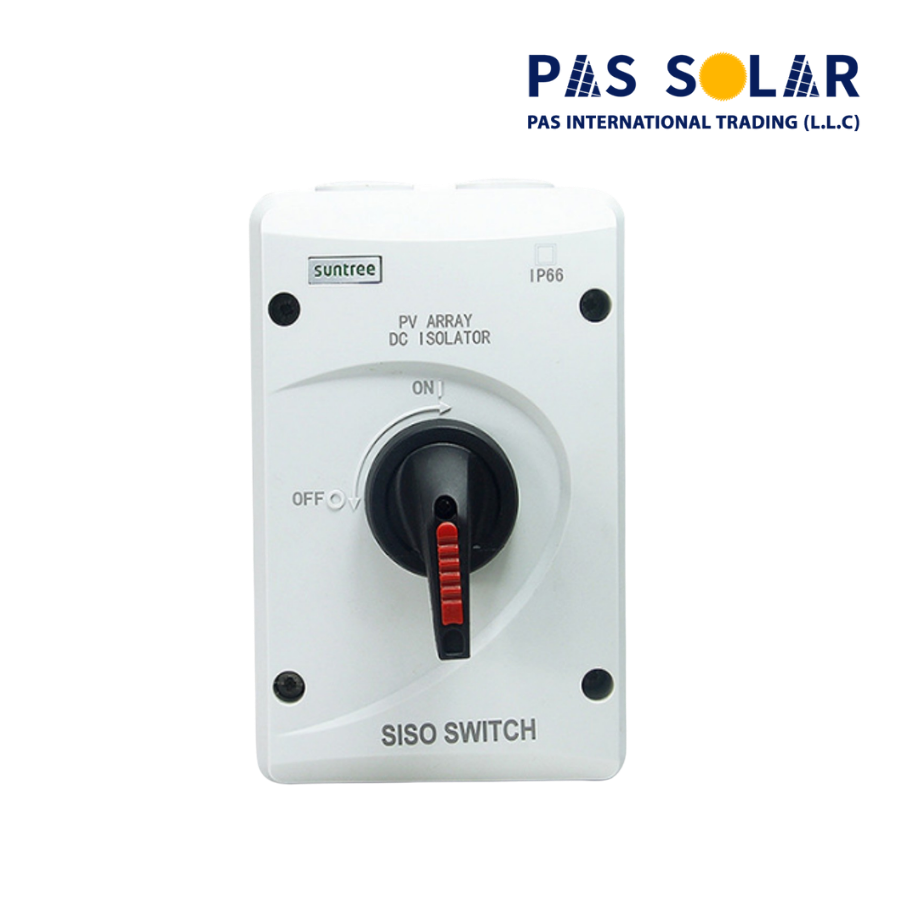
Its primary function is to provide a clear and deliberate means of disconnecting a DC circuit for installation, maintenance, inspection, or emergency shutdown.
SUNTREE DC isolators such as the SISO series are designed specifically for DC applications.
| Requirement | DC Isolator |
| Manual circuit disconnection | Yes |
| PV system isolation | Yes |
| Automatic overload protection | No |
| Short-circuit protection | No |
| Maintenance shutdown | Yes |
| Suitable for DC circuits | Yes |
For a complete PV installation, an isolator may therefore be installed alongside a fuse, MCB, MCCB, or SPD rather than replacing them.
Surge Protective Devices, or SPDs, protect electrical equipment against transient overvoltages.
These surges can be caused by lightning activity, switching operations, and disturbances in electrical networks.
SUNTREE offers both DC/PV SPDs and AC SPDs.
| Feature | DC SPD | AC SPD |
| System Type | DC | AC |
| Typical Application | Solar PV and DC equipment | AC distribution |
| Main Function | Surge protection | Surge protection |
| PV Application | Yes | AC side only |
| Typical Installation | DC distribution / PV side | AC distribution board |
| Example SUNTREE Series | SUP2H-PV / SUP2H1-PV | SUP1H |
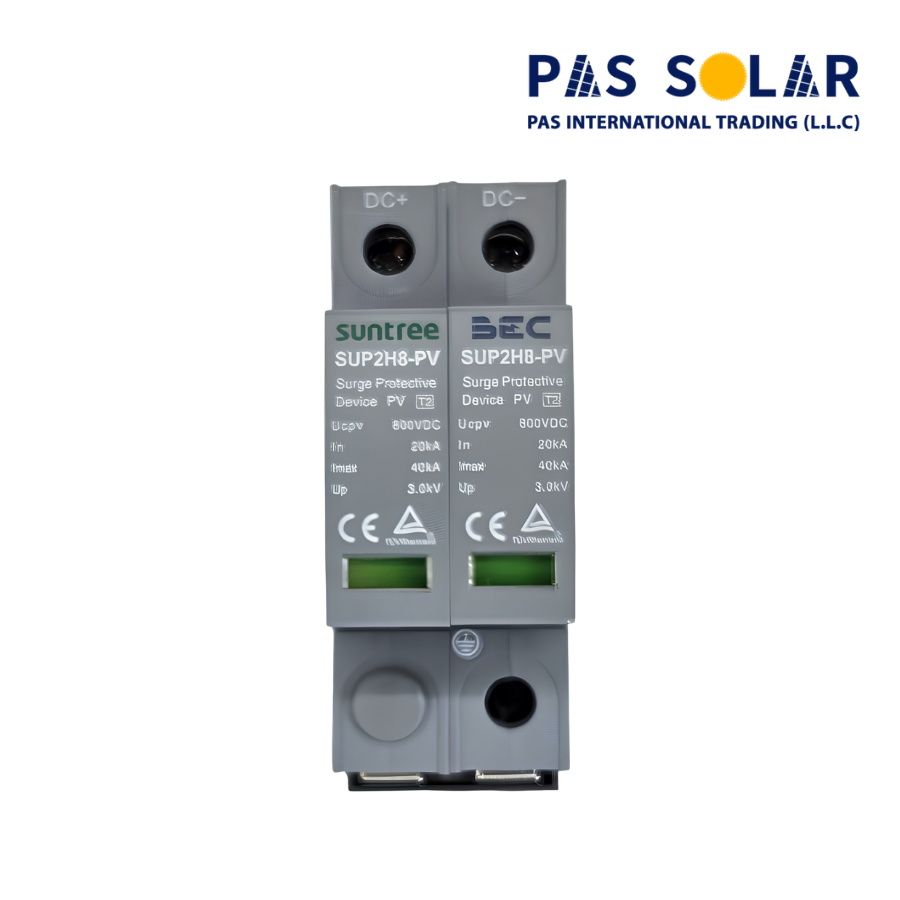
The SUNTREE SUP2H-PV is a Type 2 DC surge protective device available in 2P configurations, while the SUP2H1-PV is a 3P PV DC SPD. The AC SUP1H series supports multiple pole configurations and AC operating systems.
| Product | System | SPD Type | Pole Configuration | Main Application |
| SUP2H-PV | DC | Type 2 | 2P | PV/DC protection |
| SUP2H1-PV | DC | Type 2 | 3P | PV/DC protection |
| SUP1H | AC | Type 2 | 1P / 2P / 1P+N / 3P / 3P+N / 4P | AC distribution |
The SUP1H provides nominal discharge current options from 5kA to 30kA and maximum discharge current options up to 65kA, depending on configuration. It also uses a modular plug-in construction with visual fault indication and optional remote signaling.
Power continuity is critical for many applications.
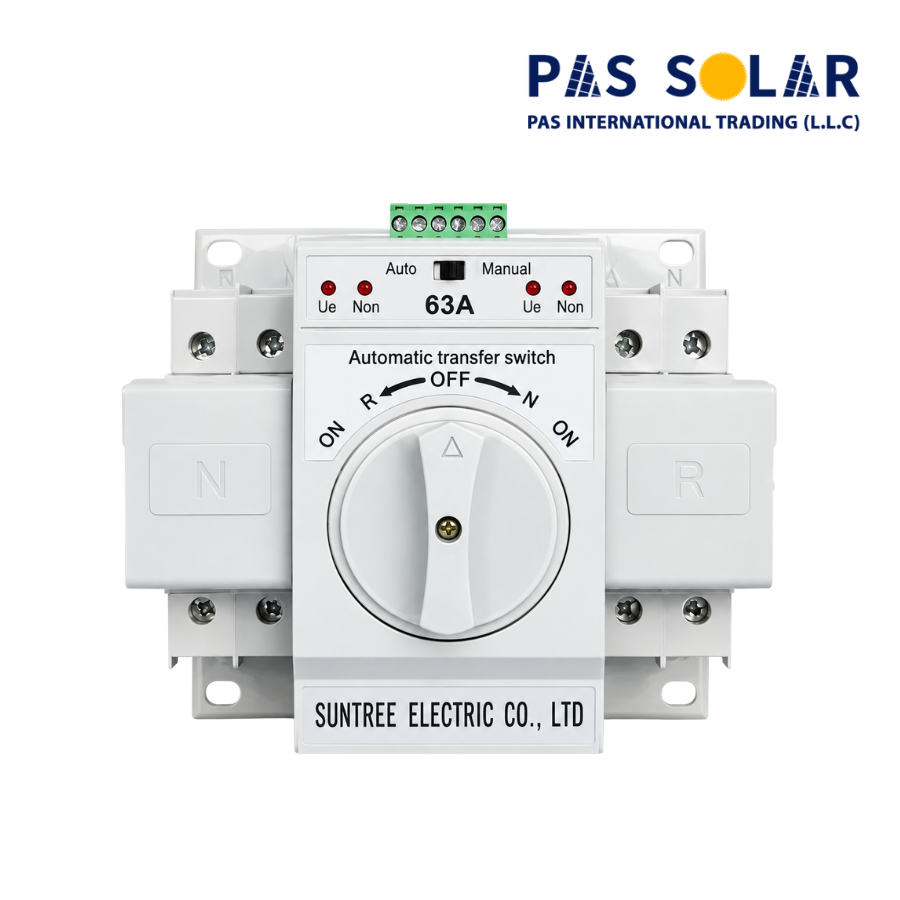
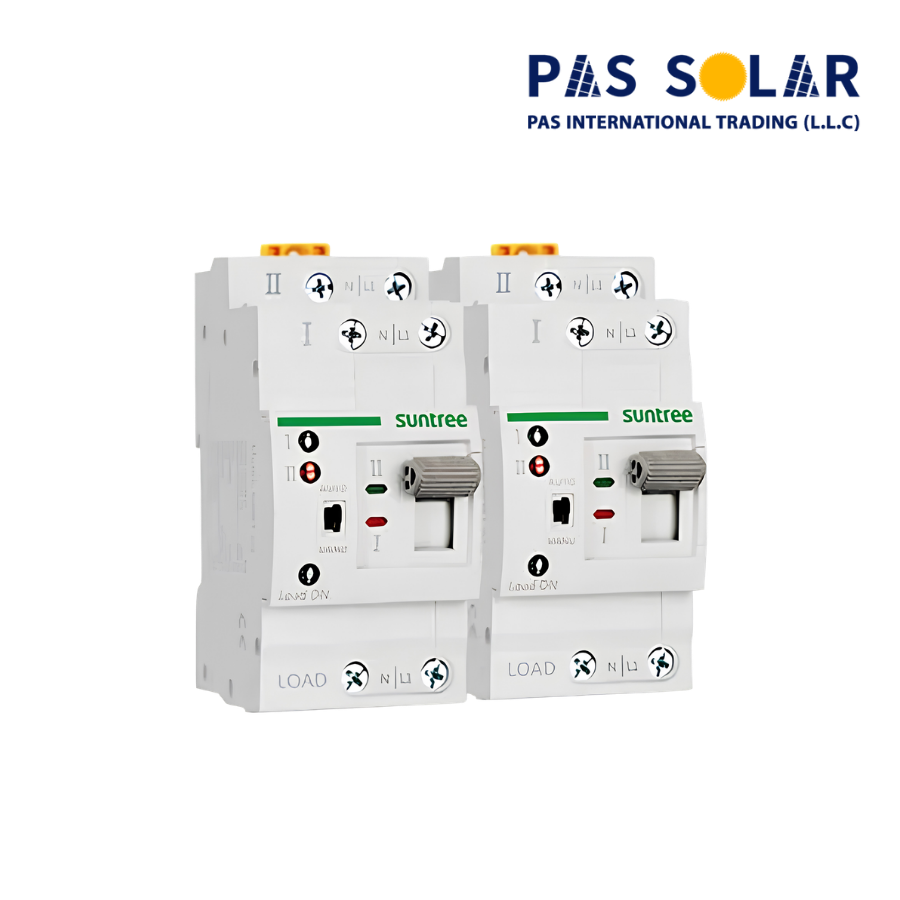
An Automatic Transfer Switch (ATS) automatically transfers a load between a normal power source and a standby power source when the primary supply fails or becomes abnormal.
SUNTREE offers several ATS families for different applications.
| Function | Purpose |
| Normal Power Monitoring | Monitors the primary source |
| Failure Detection | Detects abnormal or failed supply |
| Automatic Transfer | Switches the load to standby power |
| Power Restoration | Returns the load to the normal source |
| Emergency Power Support | Maintains power to important loads |
The SQ8W series, for example, supports rated currents from 6A to 63A, AC230V/AC400V operation, a 690V insulation voltage, and automatic transfer within a specified transfer time. SUNTREE describes it as suitable for important power supply locations where power interruption should be avoided.
| Product | Typical Current Range | Main Purpose | Best For |
| SQ8W | 6A–63A | Automatic transfer | Residential/light commercial backup |
| SQ8W-100 | 16A–100A | Dual-power transfer | Larger emergency power systems |
| SQ5 | 16A–1600A | Automatic switching | Wider commercial/industrial applications |
| SQ8P | 16A–1600A | Main/standby transfer | High-capacity power systems |
The SQ8P series, for example, extends into much higher current ratings and is intended for larger automatic transfer applications.
Electrical protection is not complete without suitable physical protection.
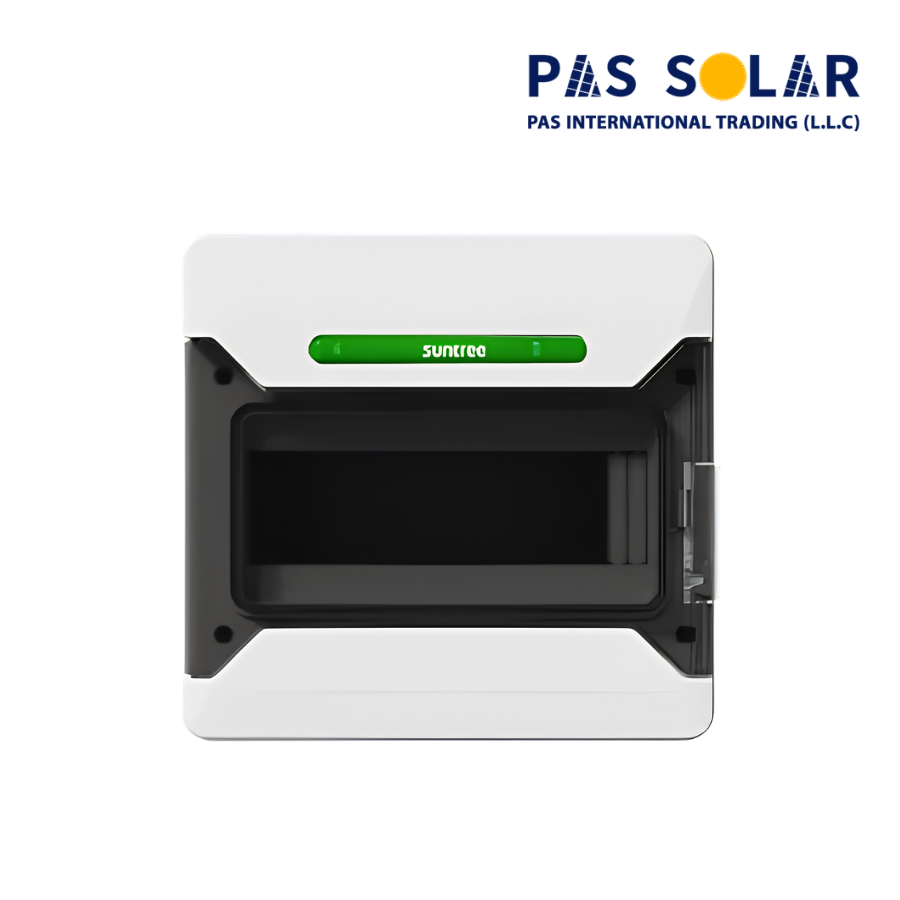
SUNTREE distribution boxes such as the PMHA-65 are designed to house and protect electrical components from environmental exposure.
The PMHA-65 uses an IP65-rated enclosure and an ABS engineering flame-retardant plastic construction, making it suitable for outdoor applications when properly installed. The manufacturer also highlights lockable construction, knock-out holes, and compatibility with various electrical products.
| Feature | PMHA-65 Distribution Box |
| Protection Rating | IP65 |
| Material | ABS Engineering Plastic |
| Flame Retardant | Yes |
| Outdoor Use | Yes |
| Lockable | Yes |
| Knock-Out Holes | Yes |
| Terminal Blocks | Optional |
| Compatible Equipment | MCBs, distribution components and other electrical devices |
A typical PV system may require several different protection components rather than one device. When planning a complete solar panel inverter battery system, it is also important to consider how the protection devices integrate with the panels, inverter, and battery storage.
For example, a solar DC circuit can use a combination of PV fuses, DC circuit breakers, DC isolators and DC SPDs, while the AC side may use AC MCBs/MCCBs and AC SPDs.
A simplified system architecture can look like this:
Solar Panels → PV Fuse → DC SPD → DC Isolator → DC MCB/MCCB → Inverter → AC MCB/MCCB → AC SPD → Distribution Board
The exact arrangement depends on the system architecture, voltage, current, inverter type, grounding arrangement, and applicable electrical standards.
| Application | Primary Product | Additional Protection |
| Residential PV System | DC MCB / DC Isolator | DC SPD + PV Fuse |
| Commercial Solar System | DC MCCB | DC SPD + Isolator |
| Large Solar Farm | DC MCCB + PV Fuse | DC SPD + Isolator |
| Residential AC Distribution | SCB8-63 | AC SPD |
| Industrial AC Distribution | SM8 AC MCCB | AC SPD |
| Emergency Power System | ATS | MCB/MCCB + SPD |
| Outdoor Electrical Installation | PMHA-65 | Suitable breaker + SPD |
| PV Maintenance Protection | DC Isolator | Fuse / MCB / SPD |
The right SUNTREE product should be selected according to the electrical system rather than simply choosing the device with the highest current or voltage rating.
You need automatic overload and short-circuit protection for a relatively small or medium DC circuit.
The system has significantly higher current requirements and requires a higher-capacity DC protection device.
Individual PV strings require dedicated overcurrent protection.
The primary requirement is safe manual disconnection of a PV/DC circuit.
The DC side of the system needs protection against transient overvoltage and surge energy.
You need compact protection for residential or light commercial AC branch circuits.
The AC system has higher current requirements and needs higher short-circuit interruption capability.
AC equipment and distribution circuits require surge protection.
A load needs automatic transfer between normal and standby power sources.
Electrical devices need physical, dust, water, and environmental protection. For projects that also require an inverter, comparing the growatt inverter price list can help installers and system owners evaluate inverter costs alongside the required PV protection equipment.
| Product | AC/DC | Protection / Control Function | Typical Current | Best For |
| SCB8-63 | AC | MCB protection | 6A–63A | Homes and branch circuits |
| SM8 | AC | MCCB protection | 10A–800A | Commercial/industrial systems |
| SL7N-63 | DC | MCB protection | 6A–63A | PV/DC circuits |
| SM8 HPV | DC | MCCB protection | 100A–630A | High-current PV systems |
| SRD PV Fuse | DC | Fuse protection | Model dependent | PV strings |
| SISO Series | DC | Isolation | Model dependent | PV maintenance |
| SUP2H-PV | DC | Type 2 SPD | Model dependent | PV surge protection |
| SUP2H1-PV | DC | Type 2 SPD | Model dependent | PV surge protection |
| SUP1H | AC | Type 2 SPD | Model dependent | AC surge protection |
| SQ8W | AC | Automatic transfer | 6A–63A | Backup power |
| PMHA-65 | AC/DC | Enclosure | — | Outdoor equipment protection |
SUNTREE provides a broad portfolio of electrical protection and control products, allowing different components to be selected from one manufacturer for a complete system.
Instead of looking at each product separately, engineers and installers can build a coordinated protection system based on:
This makes SUNTREE products suitable for applications ranging from residential electrical distribution to commercial buildings, industrial facilities, and solar PV installations.
Whether you are designing a residential solar system, a commercial PV installation, an industrial distribution panel, or an emergency backup power system, selecting the correct protection devices is an important part of the project.
SUNTREE’s portfolio allows you to combine circuit protection, surge protection, isolation, overcurrent protection, automatic transfer, and enclosure solutions according to the requirements of the system.
The key is not choosing the most powerful product.
It is choosing the right product for the right circuit.
The overall cost of a solar installation depends not only on the protection equipment but also on factors such as Solar panel price, inverter capacity, battery storage, installation requirements, and system size.
If you are unsure whether you need a DC MCB, MCCB, fuse, isolator, SPD, ATS, or enclosure, start with the system voltage and current, then determine what type of protection or control the circuit requires.
At Pas Solar, you can compare different SUNTREE products and get guidance on selecting the right solution for your application.
From compact SCB8-63 AC MCBs for residential circuits to SM8 MCCBs for high-current distribution and SM8 HPV DC MCCBs for high-voltage PV systems, we can help you select the appropriate SUNTREE product for your project.
If you’re looking for the best price for SUNTREE electrical products, contact Pas Solar to check current availability, pricing, and suitable models for your application.