
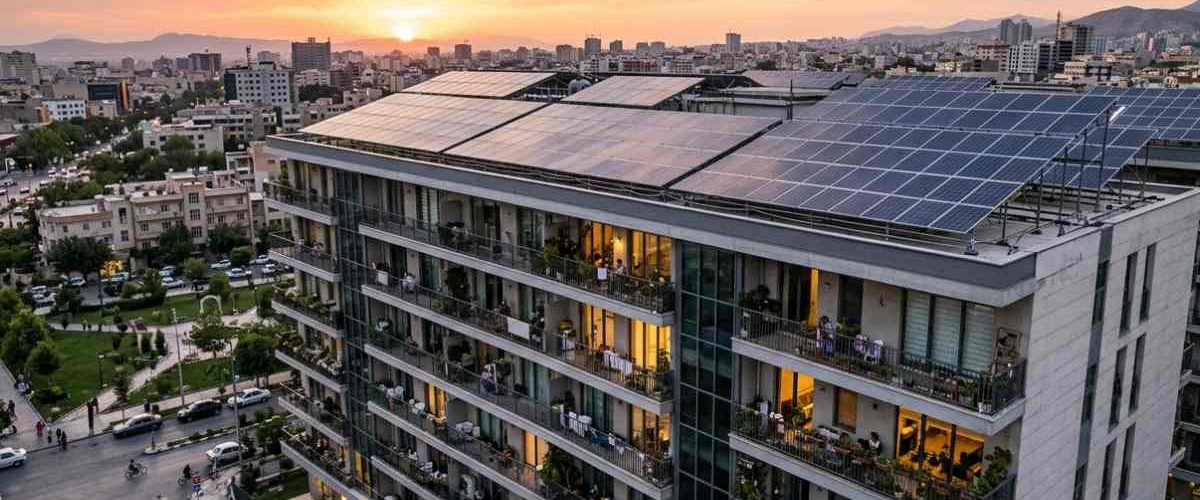
For a long time, residential solar solutions were widely used as a cost effective option for houses or villas with large rooftops and open spaces. Most people still think that solar panels only work in such places. But these days, that idea is not true and it is used for apartments as well.
With increasing electricity costs and a global move toward sustainable living habits, more people are looking for solar power in apartments as a realistic option. We should say what once seemed difficult is now possible, practical and achievable in everyday life.
Modern technology allows us to take advantage of solar panels for apartments even in limited spaces like balconies and shared rooftops. So is it actually feasible?
apartment residents now have more options than ever before, now let’s break it down.
As we said earlier, yes, but the approach should be different based on the situation. Apartment buildings are with different conditions that affect how solar energy can be used.
Although single-family homes have personal areas for installation and full control over roof space, apartments—especially within the solar panel Dubai sector—involve shared spaces and complex regulations. That’s why a successful apartment solar system depends on customization, not a fixed model.
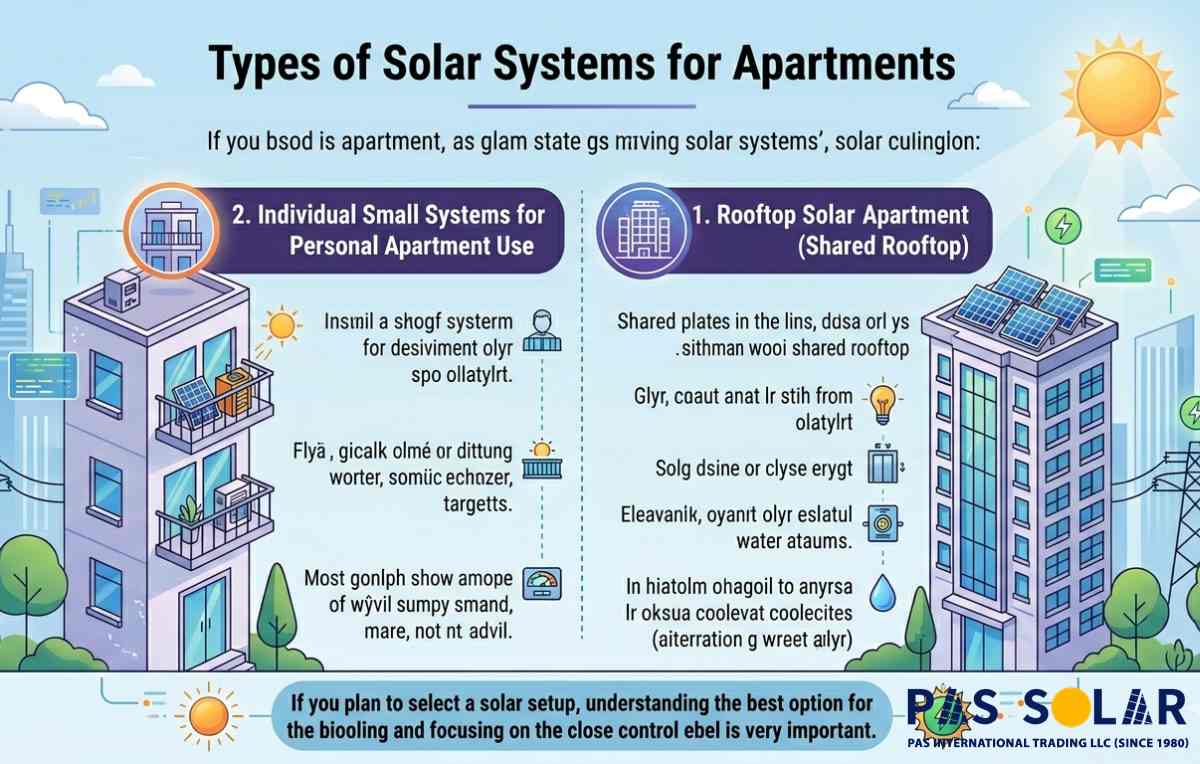
When we talk about apartments, we have two main categories for solar solutions:
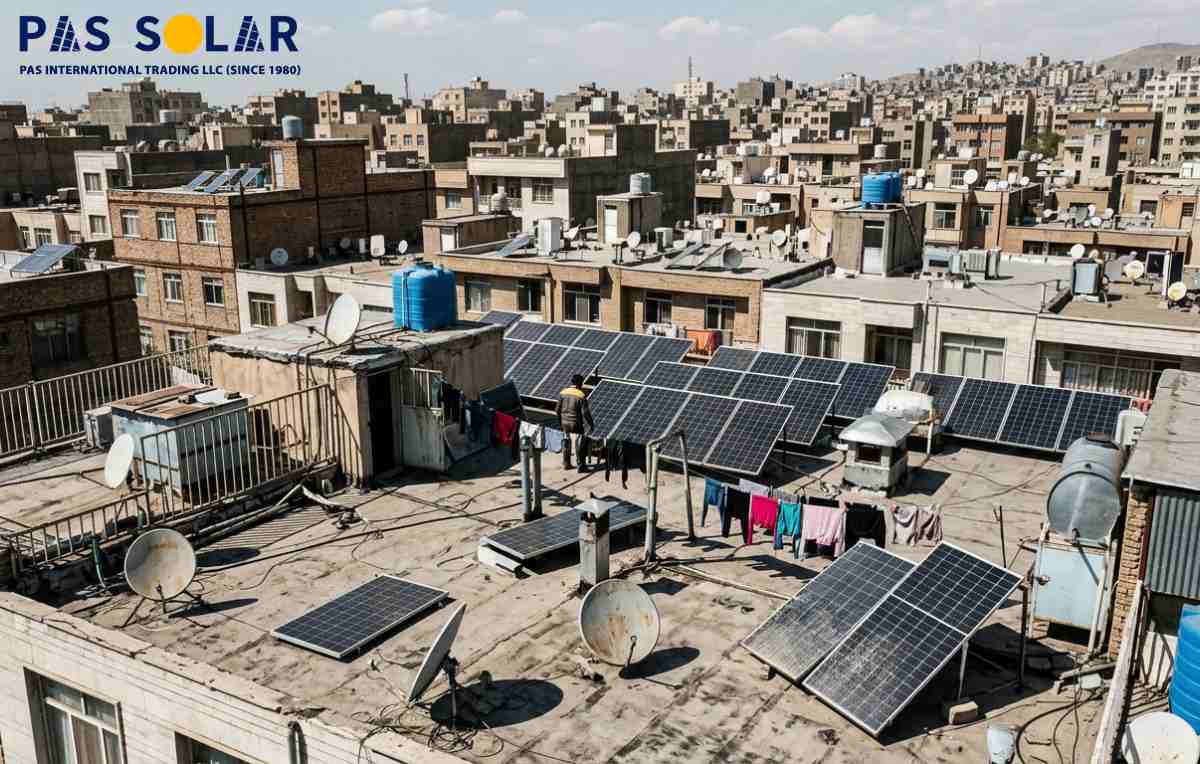
In this model, solar panels are installed on the building’s shared rooftop space and they are used for whole or most parts of the apartment. The generated electricity is usually distributed among multiple units and it is used for lighting, elevators, or water systems. Because the system is shared among residents, building associations or housing cooperatives are responsible for installation and maintenance.
Although this option is more limited, it is still possible in some cases. Each resident may install a small solar system for their own apartment, the system should be chosen depending on balcony space, sunlight exposure, or apartment’s permissions. These systems are designed to support only part of energy demand for a household, not the whole consumption.
If you are going to select the solar setups for your apartment, it is really important to understand what works best for your building and pay attention to the level of control over the space.
No matter whether you’re a homeowner, a tenant, or a landlord, there’s almost always a practical way to use solar energy and benefit from it in your situation. Solar Options are so flexible.
If you have an apartment unit, you may not have access to shared spaces, especially the rooftop. However the rooftop is usually the best place for solar panel installation, this area is not privately for you. So, you can’t make decisions about it alone and it makes the process complex.
In most cases, installing a solar system needs:
There are still practical ways to benefit from it. For example you can participate in a shared rooftop solar system where different residents use the produced electricity. Another solution is installing solar panels for personal use in the balcony, which can help you cover part of your energy needs. Even in small apartment buildings, rooftop solar systems can be a smart solution, especially when residents work together to use the available space.
Renters usually think that solar isn’t feasible. If you are living in a rented apartment, you can utilize solar energy. There are some options that can be installed without making permanent changes. They are portable solar systems that are easy to set up and even remove. These small systems have flexibility and can be used without making changes to the property.
Most of the time, these systems don’t even need host agreement, so they are suitable choices for renters in order to reduce electricity costs and cover the part of energy consumption.
If you are the landlord or host of an apartment , solar power is a long term investment for your property. Installing solar panels can increase the value of the building and make it more unmatched to renters. It can also reduce the costs, especially costs of shared areas.
by having control over the apartment, installing solar power systems for buildings on a larger area becomes easier and allows you to produce more energy. In addition, solar energy helps the building stay ready for future energy rules.
By understanding solar system types, you can make the right decision.
Even in smaller apartment buildings with limited roof space, a solar system can still have noticeable benefits. For apartment buildings with higher shared electricity demand, checking the growatt 15kw inverter price can be useful when comparing suitable inverter options for a larger rooftop solar system.
These systems can produce a higher amount of energy compared to smaller systems, so they are ideal for apartment buildings. They are useful for powering shared areas such as elevators, and lighting systems.
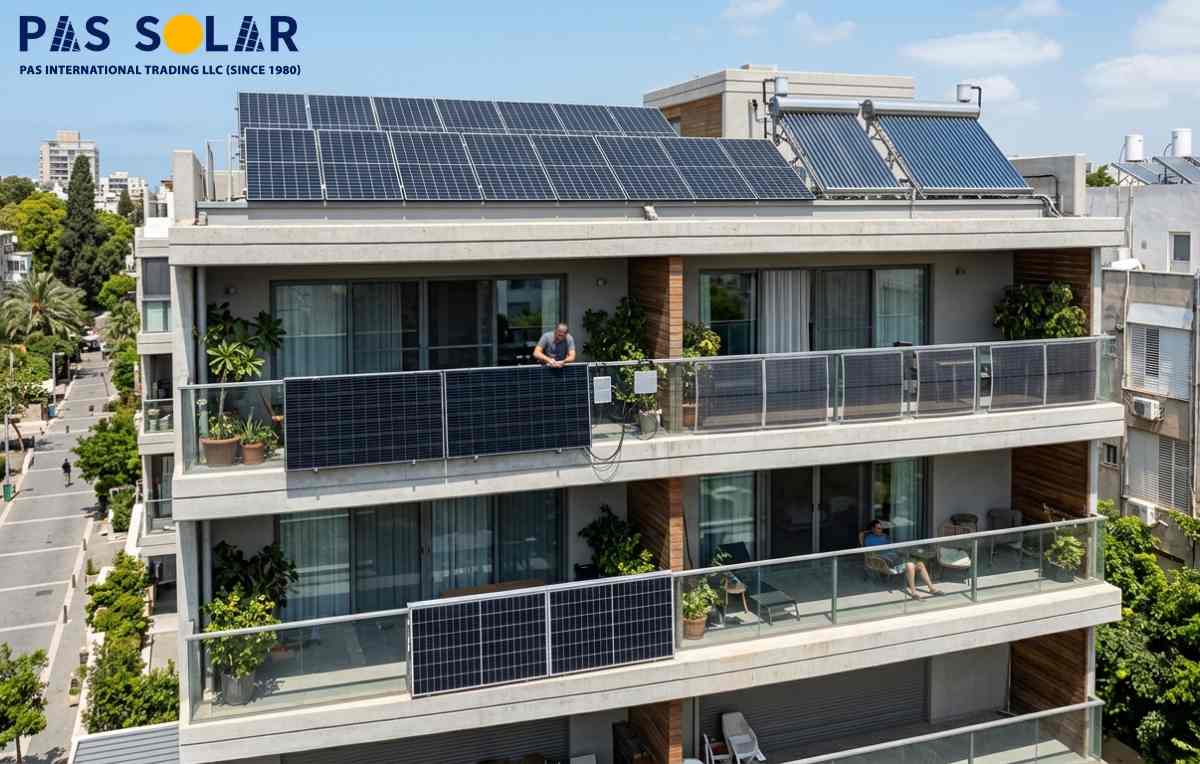
Balcony solar panels are really popular in urban environments, especially in apartments that do not have enough space. Not only do they need very little space, but also they are easy to install. These systems are the best option for individual energy use. Because of their simplicity and accessibility, they are considered for apartments.
This option is perfect for people who want to start with a small and simple system. A small solar system for an apartment can power essential needs such as lights and Wi-Fi. It usually needs low initial investment and it is accessible for most of the residents.
When these systems are combined with a solar lithium battery, they can store energy during the day. This stored energy can be used at night or whenever sunlight is not available.
This option is great for people who cannot install solar panels on their own unit. In shared solar energy projects, they join a larger community solar farm and benefit from the electricity produced.
They usually receive their electricity bills based on how much energy they share in the system. This makes it a simple and accessible way to use solar power, because there is no installation or maintenance needed.
solar power is not only an eco-friendly choice, but also it’s a financial option as well.
Solar power in apartments has its own limitations as well:
With the right systems, most apartments can still use solar energy.
| Myth or Misconception | Reality |
| Solar panels only work for villas or houses with large rooftops and enough space | Modern systems can work in small spaces like balconies, limited roof areas and even systems mounted on walls |
| Apartments don’t get enough sunlight for solar panels | Sunlight and positioning matter more for panel efficiency than the kind of building. |
| Solar systems are not worth it for small apartments | Even small systems can reduce the cost of electricity by powering essential devices |
| You need full ownership of the building to install solar | Options like balcony solar panels, portable systems, and shared solar make it possible |
| Solar only works during the day | With a solar lithium battery, excess energy can be stored and used at night |
| Installation is too complicated for apartments | Many modern systems can be installed easily |
| Solar systems are too expensive for apartment residents | Small setups are more reasonable and help you save money over time |
In apartment settings, choosing the right equipment makes a big difference. To find the best system, focus on these key factors:
So the right option depends on your lifestyle, not just the type of your building.
Solar energy is not limited to houses or villas with large rooftops. Today, solar power for apartments is accessible, and increasingly reasonable over time. Whether through shared rooftop systems, balconies, or personal systems, there are opportunities for apartment residents to use solar energy.
At Passolar, we believe that you can benefit from clean energy in every living space. With the right approach, even residential can be part of a smarter and more sustainable future, where people use energy more efficiently and in a better way for the environment.